-
-
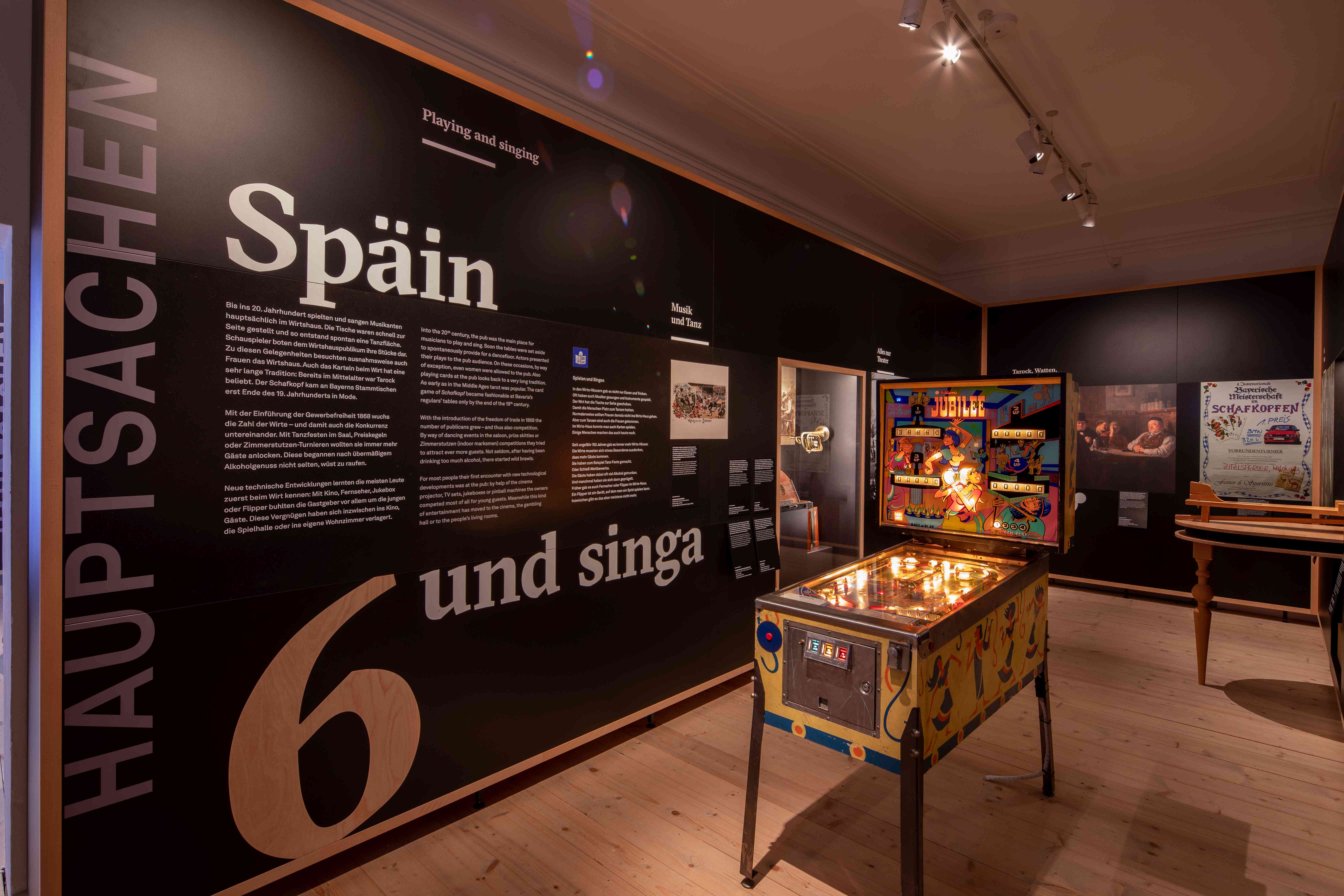
Impression aus der Wirtshaus-Ausstellung im Kloster Aldersbach © Haus der Bayerischen Geschichte | Foto: Herbert Rath -
The exhibition
The much-lamented "death of the pub" has finally been on everyone's lips since March 2020 at the latest: the pandemic-related closure of the favorite pub, the excursion beer garden or the beloved Stehausschank quickly made it clear how much the pub culture contributes to the Bavarian quality of life!
The trend is not new: the number of pubs in Bavaria has been declining since the end of the 1960s. The central staging of the exhibition, the "explosion" of a pub, illustrates this particularly impressively. Bottled beer in the beverage market, catering in the clubhouse, increasing bureaucratic regulations, competition from system catering and fast food outlets and many other things put an increasing strain on landlords and landladies. Of course, many restaurateurs have also failed to keep up with the times in terms of tradition. Will the Bavarian pub soon be torn apart for good?
Today, many innkeepers are working on their "brand" with creativity, energy and passion: they stand out from the crowd with typical specialties, an attached fashion boutique, their own beer and many other ideas. These future-proof recipes whet the appetite for a renewal of pub life in Bavaria. Whether it succeeds is also up to you as a guest: will you choose a Bavarian pub?
Cosiness, tavern people and the main things
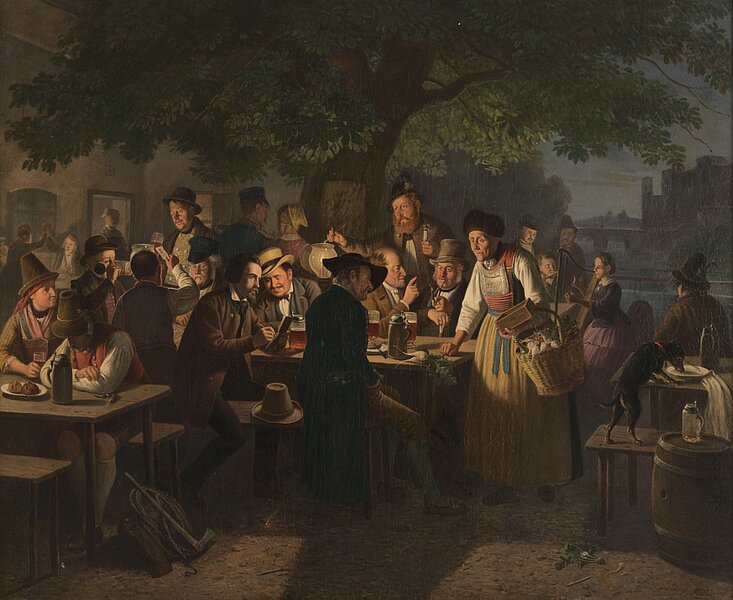
In the 19th century, renowned architects such as Emanuel and Gabriel von Seidl from Munich shaped Bavarian pub comfort as we know it. They skillfully combined the latest technology with the "Heimatstil": wood panelling, floorboards, tiled stoves, antlers, murals and heart-shaped chairs are typical. At the same time, beer cellars and gardens enjoyed great popularity. From around 1900, huge beer palaces and festival tents attracted the crowds.
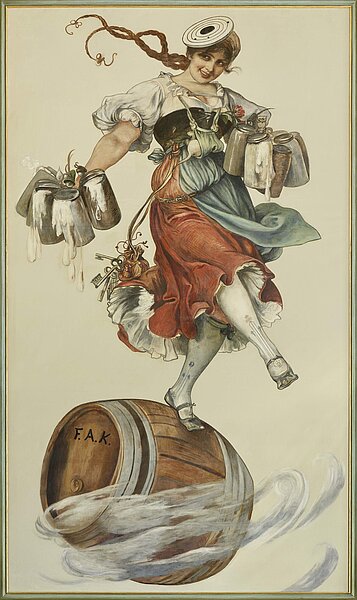
Bavarian brewers used the pub culture as "experience gastronomy" to market their beer internationally, especially at world exhibitions. In many places, they were then able to open new pubs.

Without the hard and varied work of countless waitresses and innkeepers, all this success would hardly have been possible. And even some pub originals - such as the Regensburg "Schmalzlerfranzl" - became world famous.
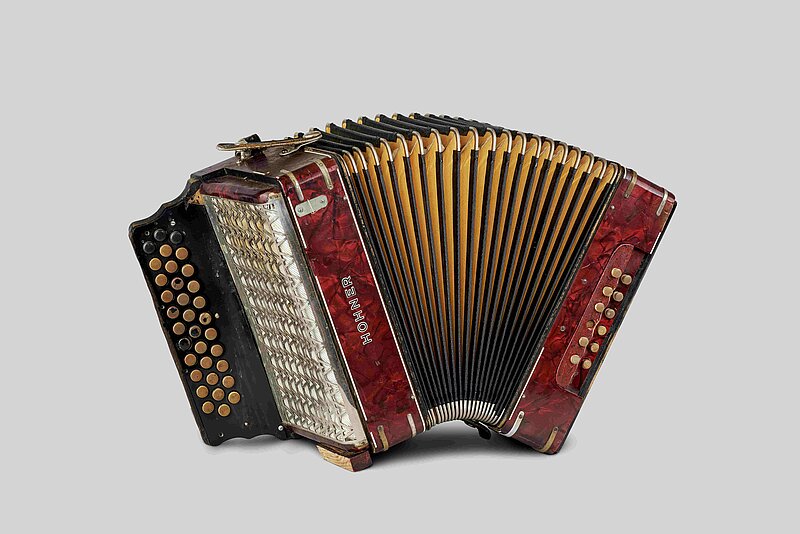
The main attraction for guests was, of course, the food and drink - the meat-heavy cuisine, beer, Franconian wine and Bavarian lemonades. But even more important for many was the sociability at the inn: music and dancing, card games and skittles, later also TV and pinball provided entertainment and full parlors.
Things often got heated at the regulars' table: not only when talking shop about club matters, but especially when things got political. Munich's beer palaces offered a huge forum for events - which the National Socialists used for their rise. In the 1920s and early 30s, fists, beer mugs and chair legs flew during "hall battles". At today's Political Ash Wednesday, it is fortunately only sharp words that are hurled at the competition. Every year at Nockherberg, the political bigwigs are mercilessly "dabbed" in a Lenten sermon and singspiel. The most annoying thing is who is not in the speech!