-
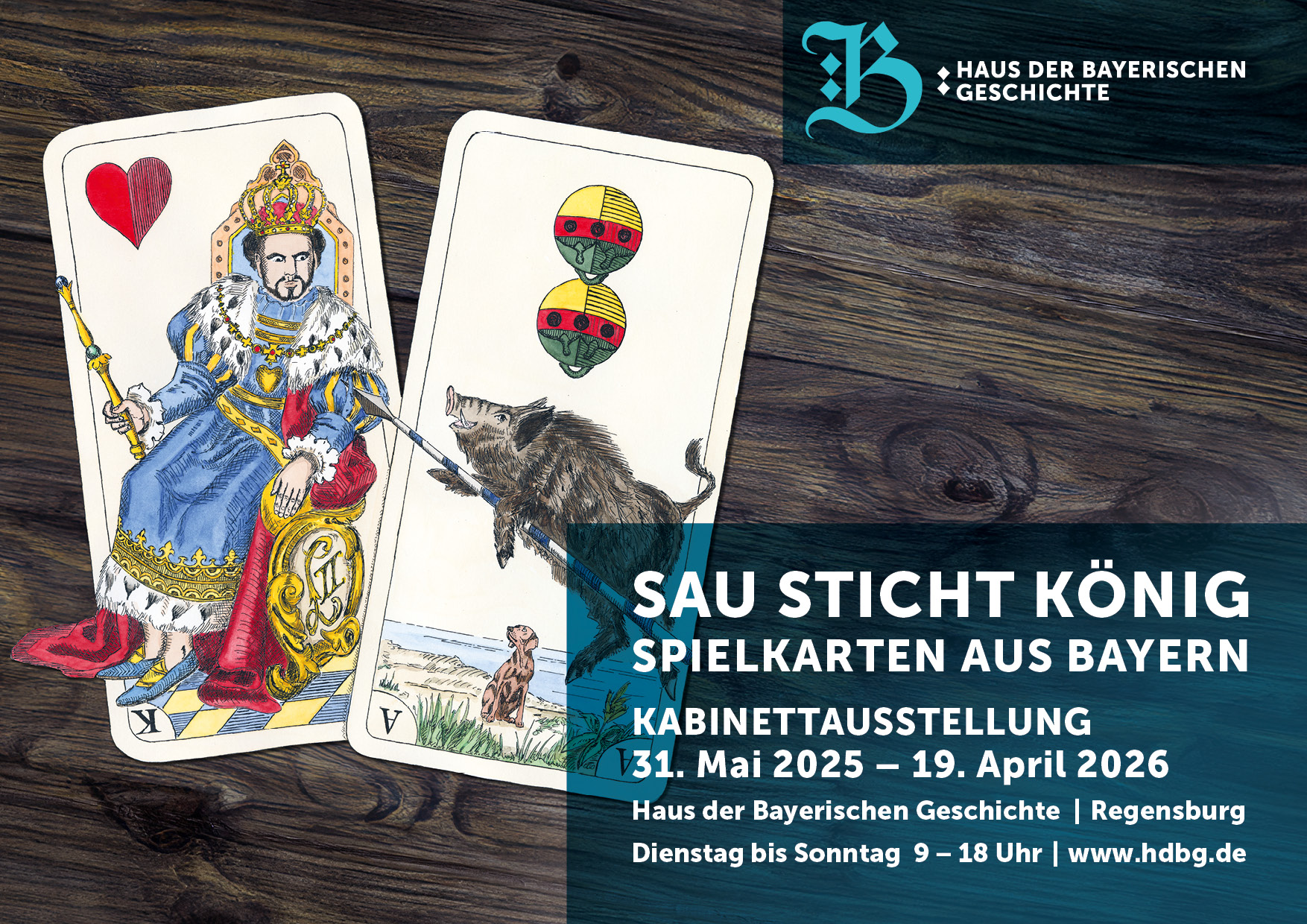
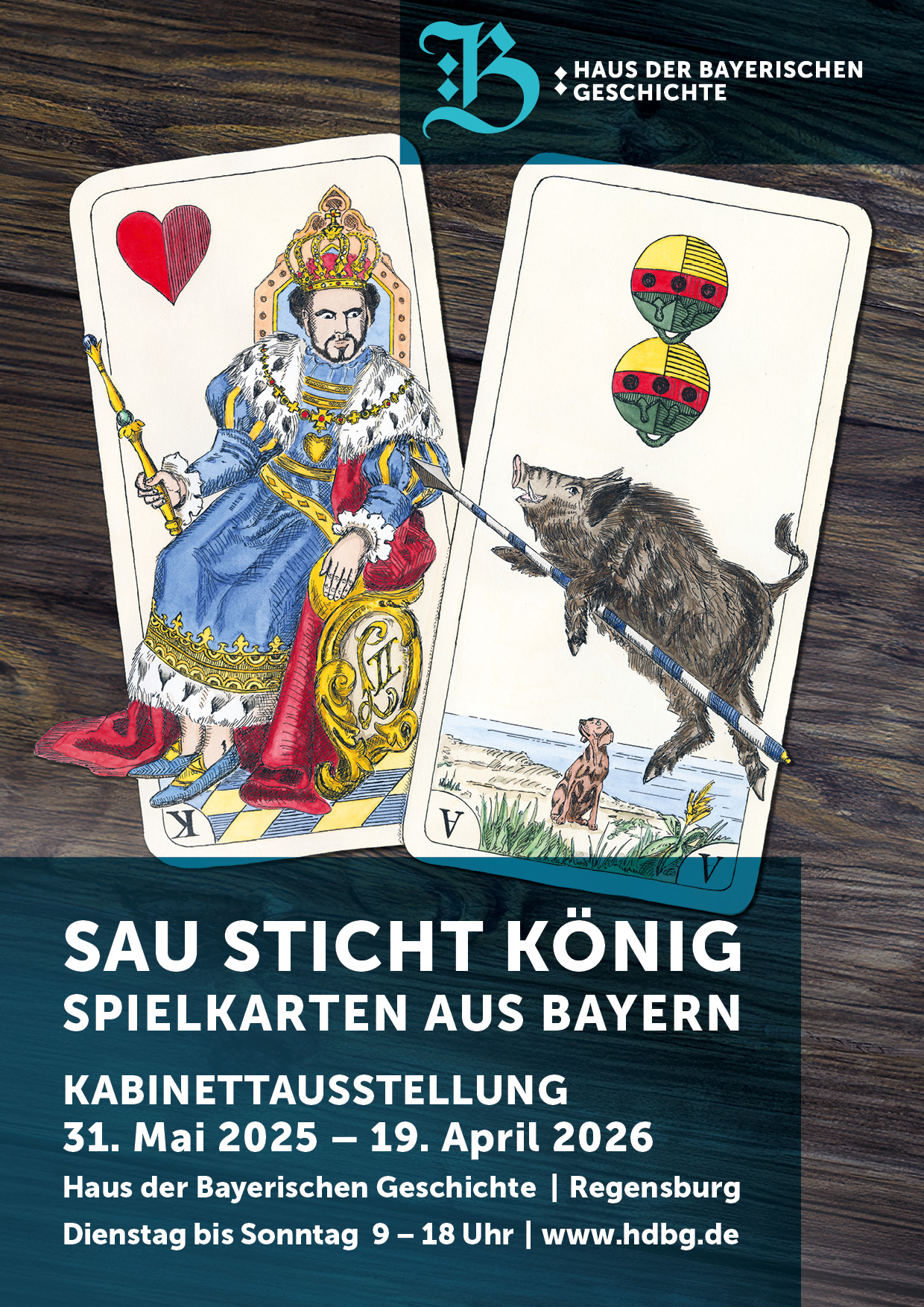
Motiv Kabinettausstellung „Sau sticht König – Spielkarten aus Bayern“ © Haus der Bayerischen Geschichte; Entwurf und Zeichnung Karten: Madeleine Schollerer, Gestaltung: bauer.com -
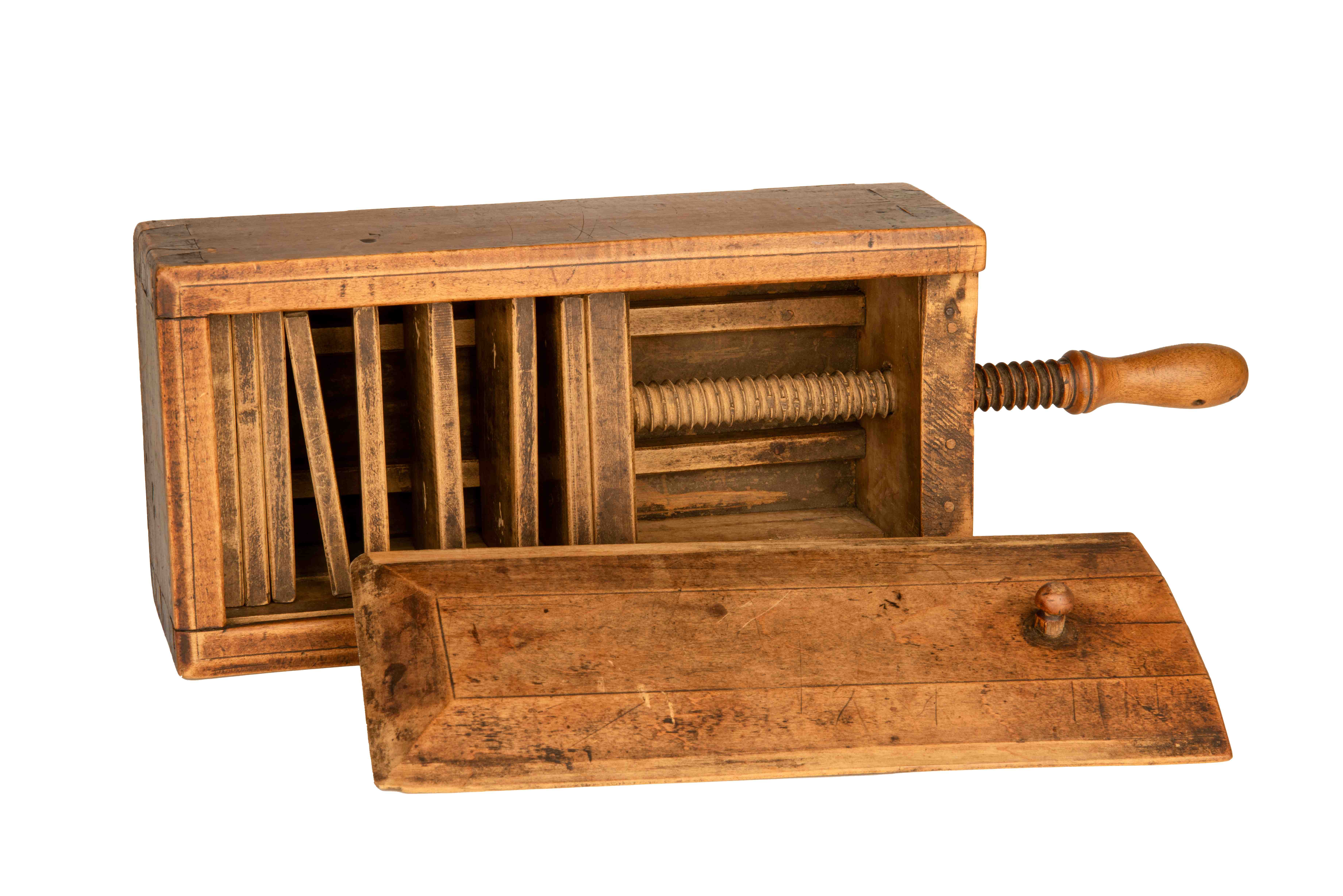
Nachhaltigkeit im Wirtshaus: Kartenpresse aus dem Bahnhof-Hotel Nicklas in Neuenmarkt (Oberfranken), um 1920 © Haus der Bayerischen Geschichte | Foto: Maximilian Brückner -
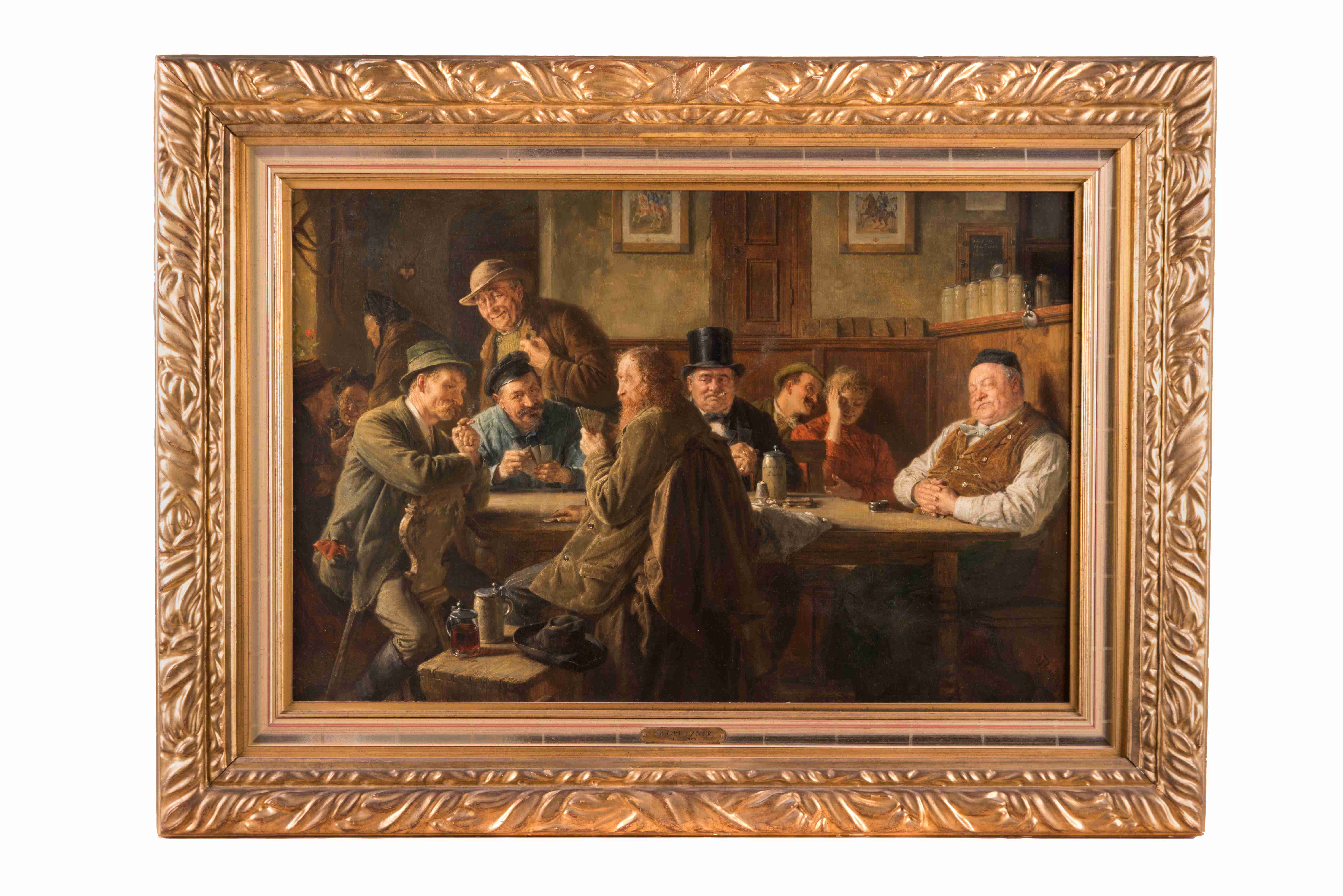
Was wird gerade gespielt? In einem Münchner Bierbeisl, um 1895; Eduard von Grützner (1846–1925) © Haus der Bayerischen Geschichte | Foto: Maximilian Brückner
Sow Trumps King
Bavarian Playing Cards
Cabinet exhibition
May 31, 2025 to April 19, 2026
at the House of Bavarian History in Regensburg
Opening hours
Tuesday to Sunday 9 am - 6 pm | Monday closed
Guided tours through the exhibition
bookable May 31, 2025 to April 19, 2026
For a maximum of 25 people, duration 45 minutes, price €95
You can find more information about the tour and booking here
In 2025/26, the Haus der Bayerischen Geschichte is bringing a historical cultural asset to the museum: playing cards from Bavaria and card playing itself. The exhibition shows the more than 600-year history of Bavarian playing cards from their beginnings in the late Middle Ages to the present day. The development is illustrated using numerous historically significant exhibits such as the Schongau playing cards, which were created around 1470/90 and are the oldest playing cards in Germany.
In addition to the history of Bavarian playing cards, the exhibition shows how Mozart's Magic Flute came to be played on playing cards from Regensburg, that cards were not only played in taverns and what was played in Bavaria apart from Schafkopf.
Beginnings
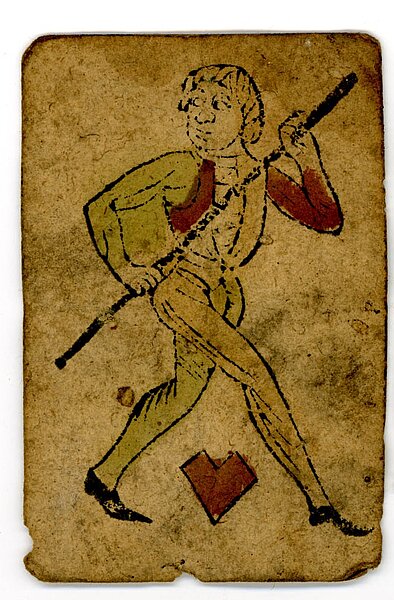
Playing cards and card games arrived in Europe from China in the Middle Ages. The earliest evidence north of the Alps can be found in Bavaria. For example in Schongau in Upper Bavaria: in 2000, playing cards dating back to the 15th century were discovered there during renovation work and are the oldest playing cards in use in Germany.
An export hit: the old Bavarian picture
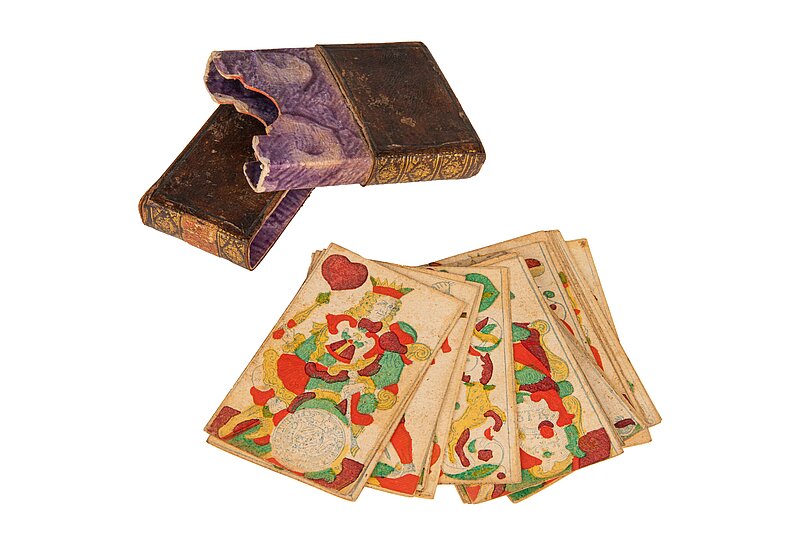
Around 1650, playing cards are produced in Augsburg, the design of which is known as the Old Bavarian Picture. The cards spread across Central Europe in travelers' luggage and were so popular that mapmakers in Austria, the Czech Republic and Russia imitated them. The Old Bavarian Picture also spread in Old Bavaria, Franconia and Swabia, from which numerous regional card designs developed that were in use until the end of the 19th century.
Curtain up for Emanuel Schikaneder!
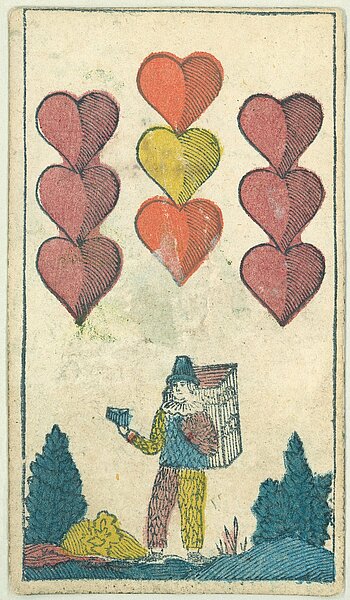
Growing up in Regensburg, Schikaneder (1751-1812) was a sought-after and versatile theatrical man who had engagements on stages in Austria and Bavaria. In Vienna, Schikaneder wrote the libretto for Mozart's Magic Flute and staged the premiere in 1791. A sensation! In the years that followed, The Magic Flute was performed in numerous European cities. In 1793, it was also performed in Regensburg, where playing cards were produced depicting three characters from The Magic Flute and creating a monument to Schikaneder.
Cart players and card beaters
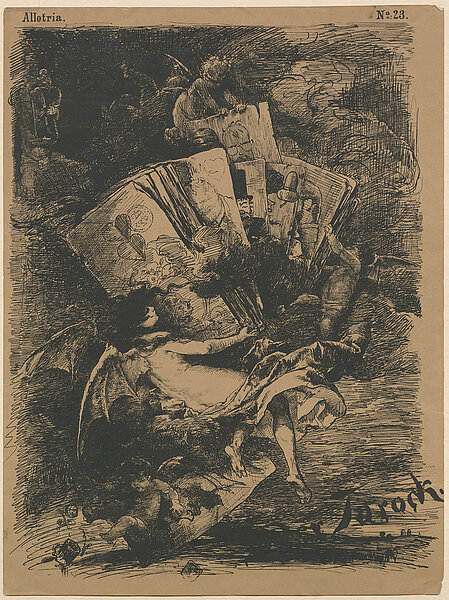
Since the 18th century, playing cards have increasingly conquered barracks, universities, salons and parlors. Playing cards are often misused for other purposes: jugglers and magicians use them to perform tricks and feats, card players predict the luck of love or battles and Brandner Kaspar even gambles his way to "eternal life".
Special exhibition at the House of Bavarian History
The cabinet exhibition "Sau sticht König" shows the history of Bavarian playing cards from the gaming bans of the 14th century to today's online card games. Media stations shed light on card games in Bavaria after 1945 and invite you to play along. Can you hold your own at a Bavarian card game table?
Cooperation partner