
-

-
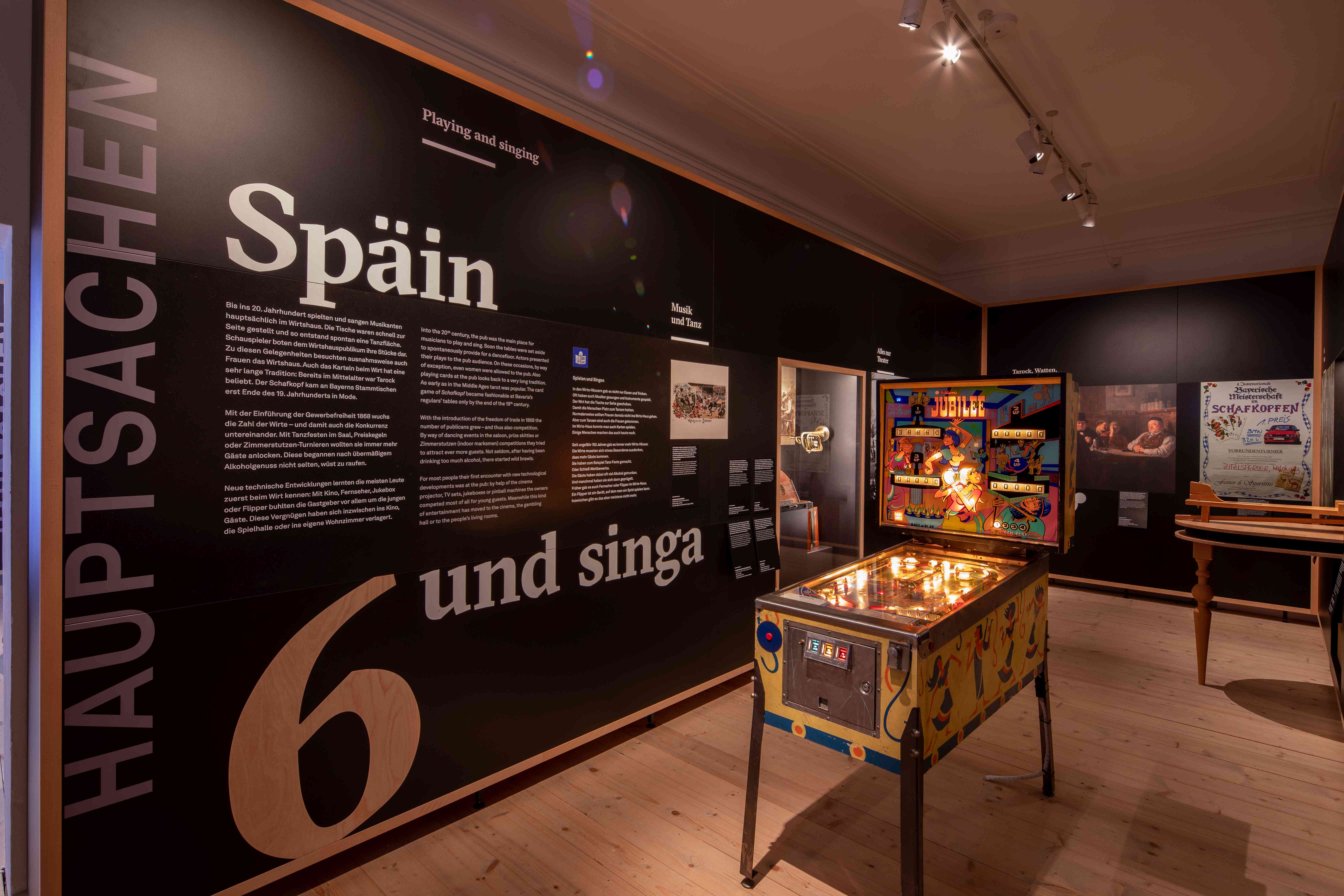
Impression aus der Wirtshaus-Ausstellung im Kloster Aldersbach © Haus der Bayerischen Geschichte | Foto: Herbert Rath -
Beer palaces around 1900: From Munich to the world
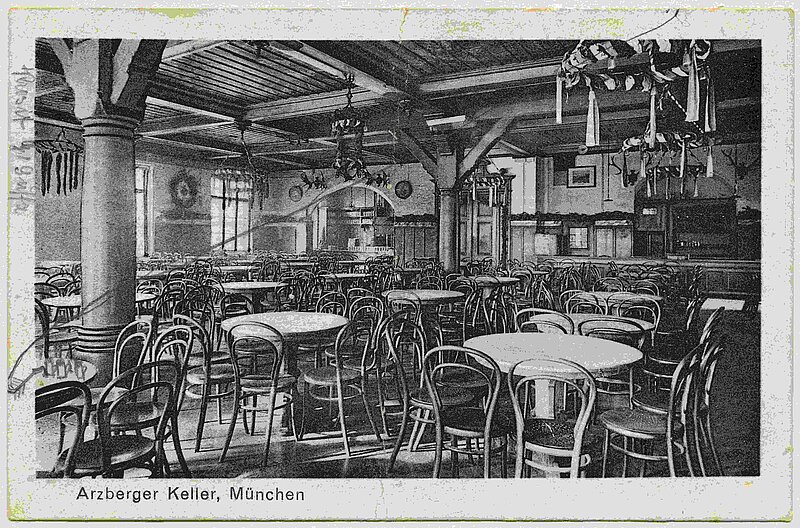
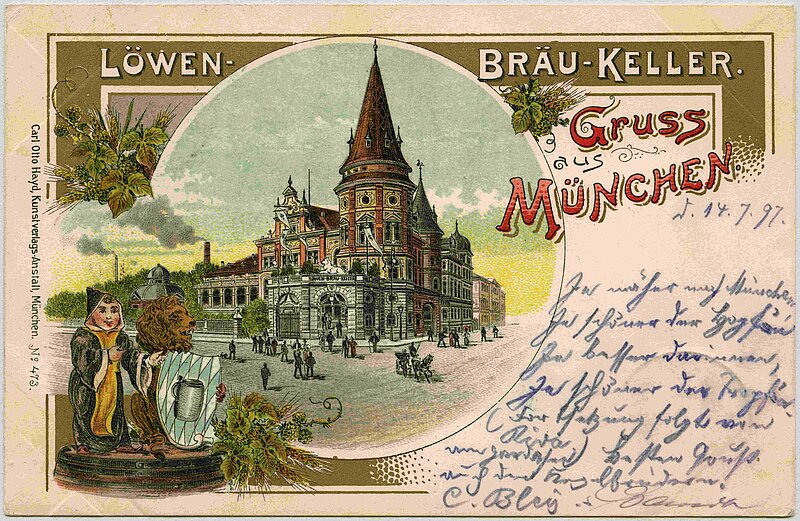
Around 1880, large-scale catering establishments emerged that differed from the traditional pub. These "beer palaces" offered a diverse range of rooms, high-quality artistic design and could cater for several thousand guests at the same time.
The starting point: Munich
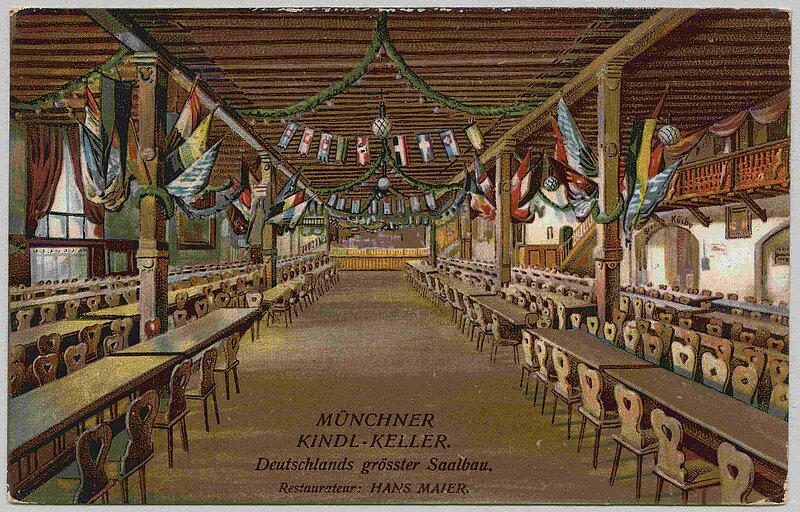
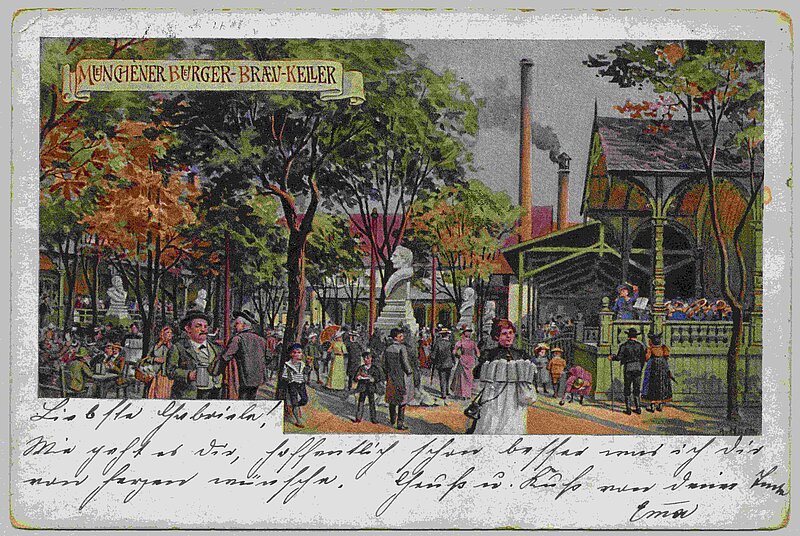
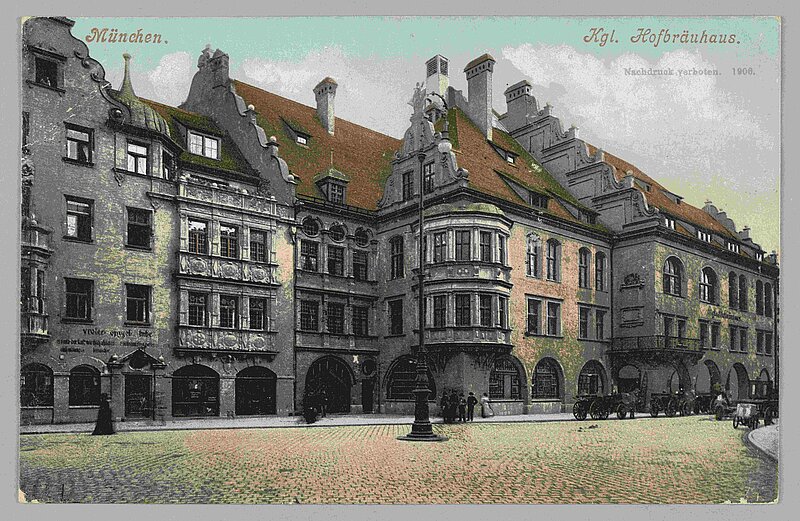
Between 1880 and 1902, Munich's major breweries opened 20 new beer palaces in the city - on average almost one per year! They often used the sites of their summer cellars. The remodeling meant that they could now serve beer there all year round. Other brewers converted their main breweries in the city center into pure restaurants and moved production to the suburbs.
The growing number of beer palaces shows the strong competition between breweries: it was no longer enough just to brew good beer. It was now also made palatable to guests with eye-catching buildings, a music program and comfortable furniture. The halls also provided space for large events: Up to 6,000 visitors could gather here for dancing or political rallies.
Coziness all over the world
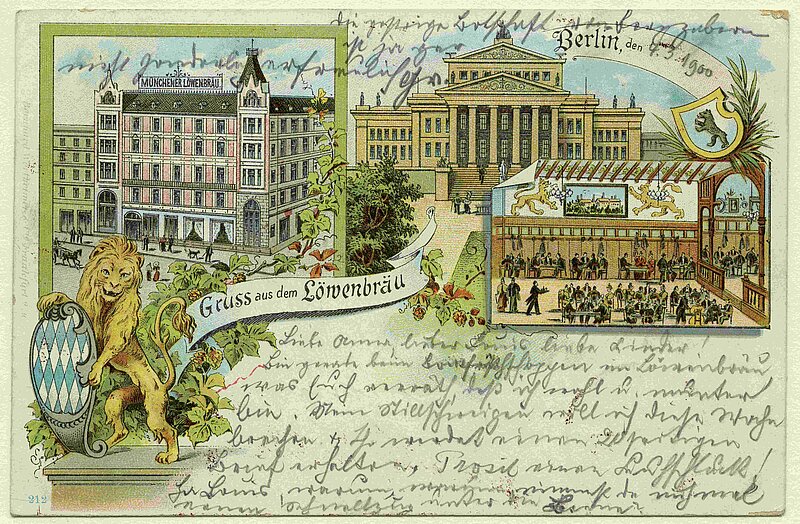
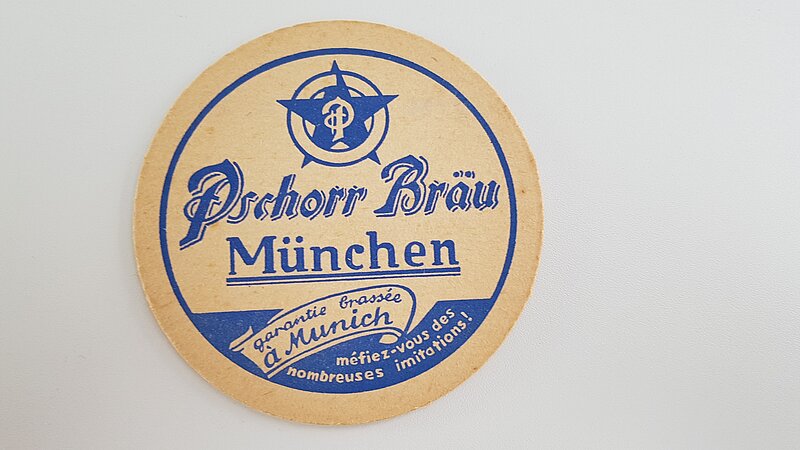
Brewers from the kingdom popularized the pub culture in the 19th century not only at world exhibitions, but also at smaller international or regional exhibitions. In many places, they established themselves permanently: in Paris around 1900, there were over a hundred pubs serving Bavarian beer.
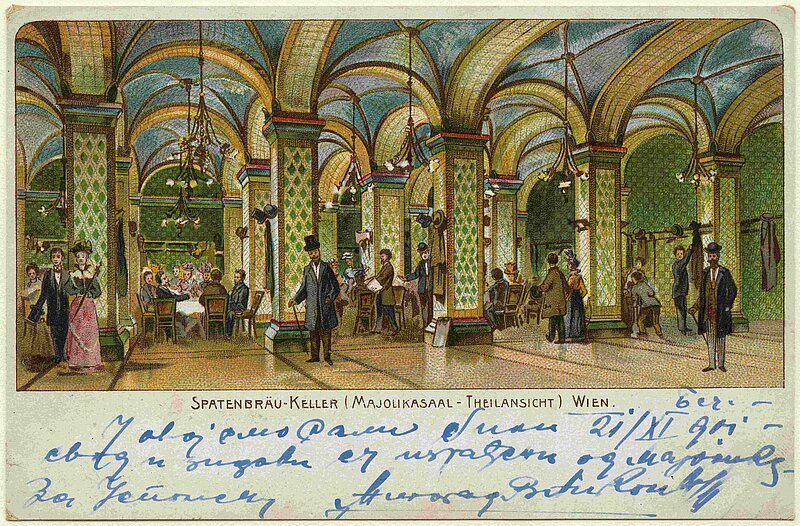
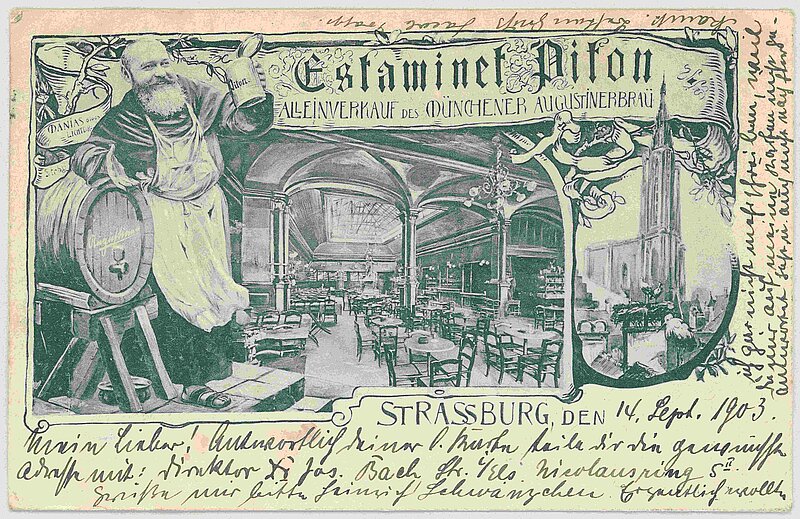
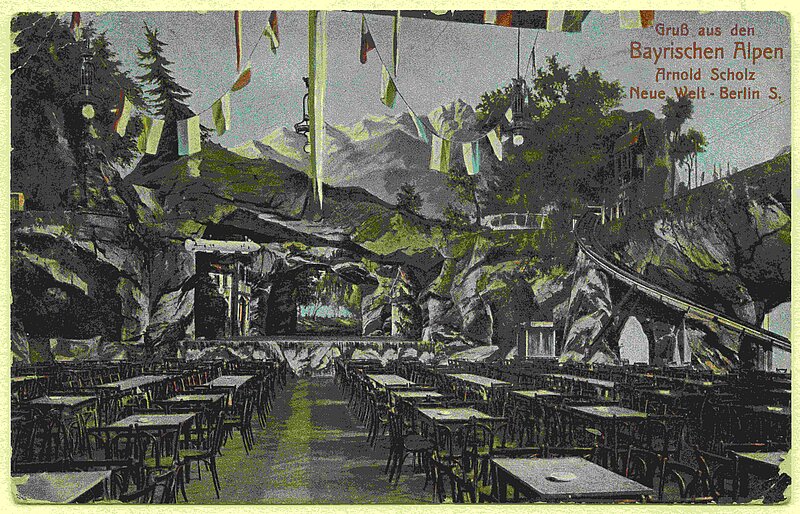
In other major cities, the large breweries went one step further: they established beer palaces based on the Munich model. However, the architects soon moved away from the original: In less artistically high-quality halls, one could also experience pub culture in Florence, Stockholm, Strasbourg, Vienna, New York or Berlin, naturally in an exaggerated "Bavarian" ambience. In addition to the drink itself, the beer palace also developed into a globally sought-after export hit.
More Bavarian exhibition digital
We offer further interesting insights, films and impressions on our Instagram channel @hausderbayerischengeschichte