
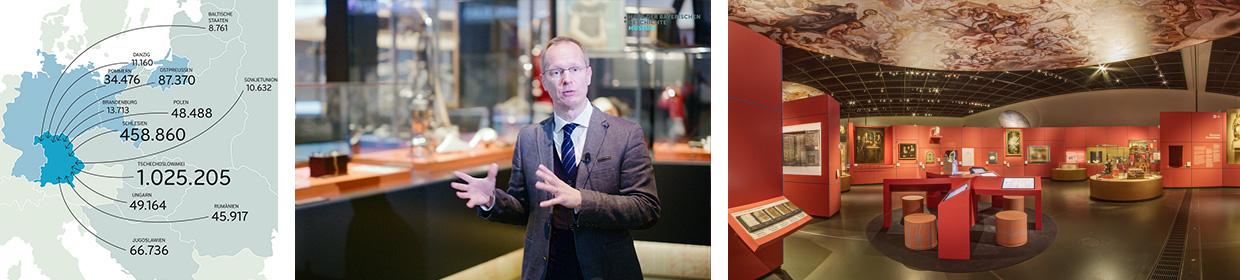
The Haus der Bayerischen Geschichte is able to look back on a long history of exhibitions: It has been on the go throughout Bavaria with exhibitions since 1976 and, on a regular basis, since 1983. The museum on Regensburg’s Donaumarkt will add a permanent facility.
Permanent Exhibition at the Museum
In its permanent exhibition, the Museum der Bayerischen Geschichte in Regensburg tells how Bavaria became a Free State and what makes it so distinctive. Bavarian history, from the emergence of the kingdom down to the present, is presented engagingly by multimedia on over 2,500 square meters.
Special Exhibitions at the Museum
In addition to the permanent exhibition on the upper floor, the Museum der Bayerischen Geschichte in Regensburg shows changing special exhibitions on the ground floor of the museum building and in the Bavariathek.
Bavarian State Exhibitions
The Bavarian State Exhibitions present topics of Bavarian history in historically significant places all over Bavaria on an annually rotating basis. The exhibitions under this brand draw over 100,000 visitors during their duration of six months.
Map of Bavarian State Exhibitions
The Haus der Bayerischen Geschichte has called on numerous places in Bavaria in over three decades. This map shows the venues of Bavarian State Exhibition.
STADT BEFREIT - Wittelsbach founding towns
The website for the Bavarian State Exhibition 2020 "Stadt befreit - Wittelsbacher Gründerstädte" offers exciting insights into urban development in the Duchy of Bavaria from the Middle Ages to the early modern period. This exhibition, which was presented in Aichach and Friedberg, shows how Bavaria became a "city state" between 1200 and 1300. During this period, the Wittelsbach dynasty and other Bavarian greats laid the foundations for the system of Bavarian towns we are so familiar with today by establishing towns and markets. These new foundations not only strengthened their economic, military and political power, but also offered the people in the towns new opportunities: protection, security and freedom of trade. The well-known legal phrase "City air makes you free!" reflects this development.
On these pages you will find further content to read and listen to - including audio guides and archive material from Bayerischer Rundfunk - as well as visual impressions to bring the history of the Bavarian towns and markets to life.
Information on the finished exhibition is only available in the archive.
Click here for the digitally prepared contents of the exhibition.
STADT BEFREIT - Wittelsbach founding towns
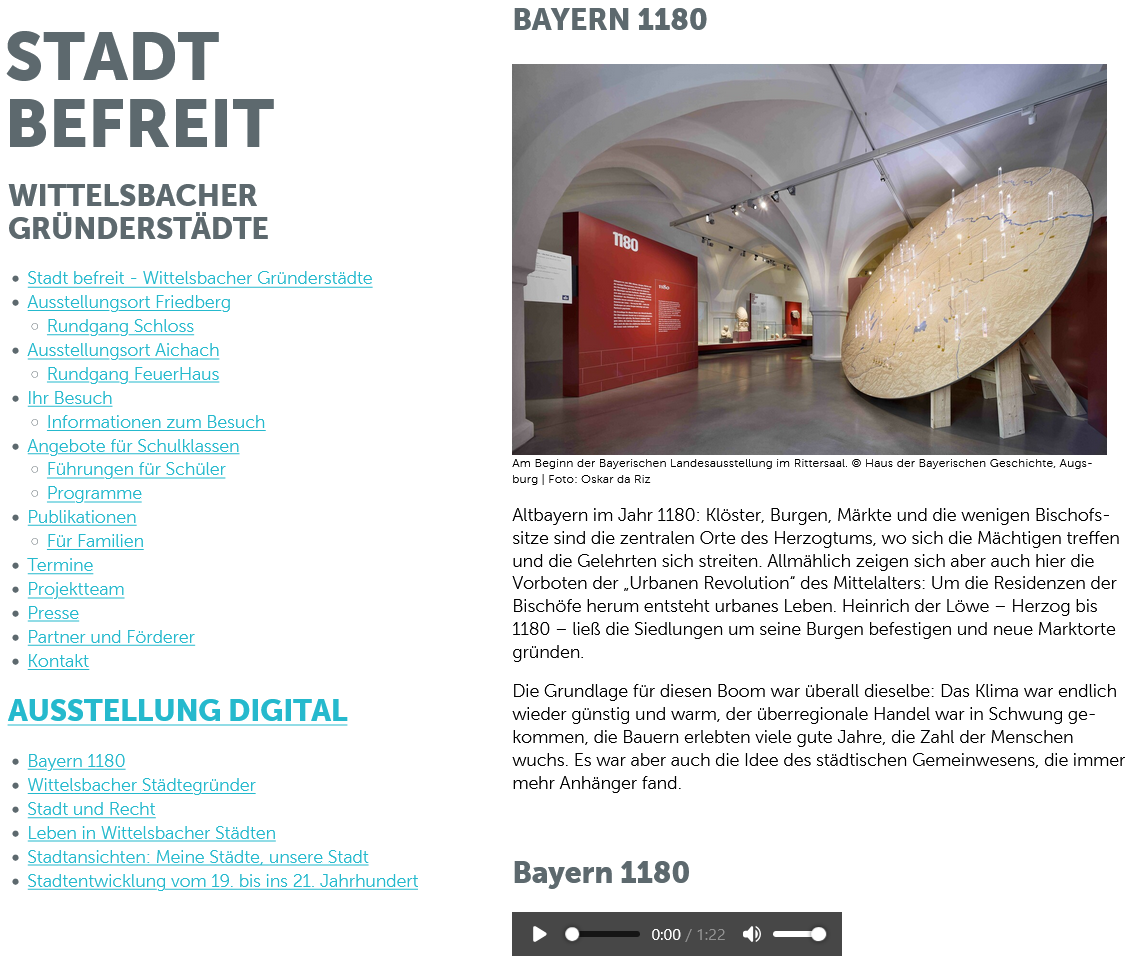
The website for the Bavarian State Exhibition 2020 "Stadt befreit - Wittelsbacher Gründerstädte" offers exciting insights into urban development in the Duchy of Bavaria from the Middle Ages to the early modern period. This exhibition, which was presented in Aichach and Friedberg, shows how Bavaria became a "city state" between 1200 and 1300. During this period, the Wittelsbach dynasty and other Bavarian greats laid the foundations for the system of Bavarian towns we are so familiar with today by establishing towns and markets. These new foundations not only strengthened their economic, military and political power, but also offered the people in the towns new opportunities: protection, security and freedom of trade. The well-known legal phrase "City air makes you free!" reflects this development.
On these pages you will find further content to read and listen to - including audio guides and archive material from Bayerischer Rundfunk - as well as visual impressions to bring the history of the Bavarian towns and markets to life.
Information on the finished exhibition is only available in the archive.
Click here for the digitally prepared contents of the exhibition.
New beginnings - displaced persons in Bavaria
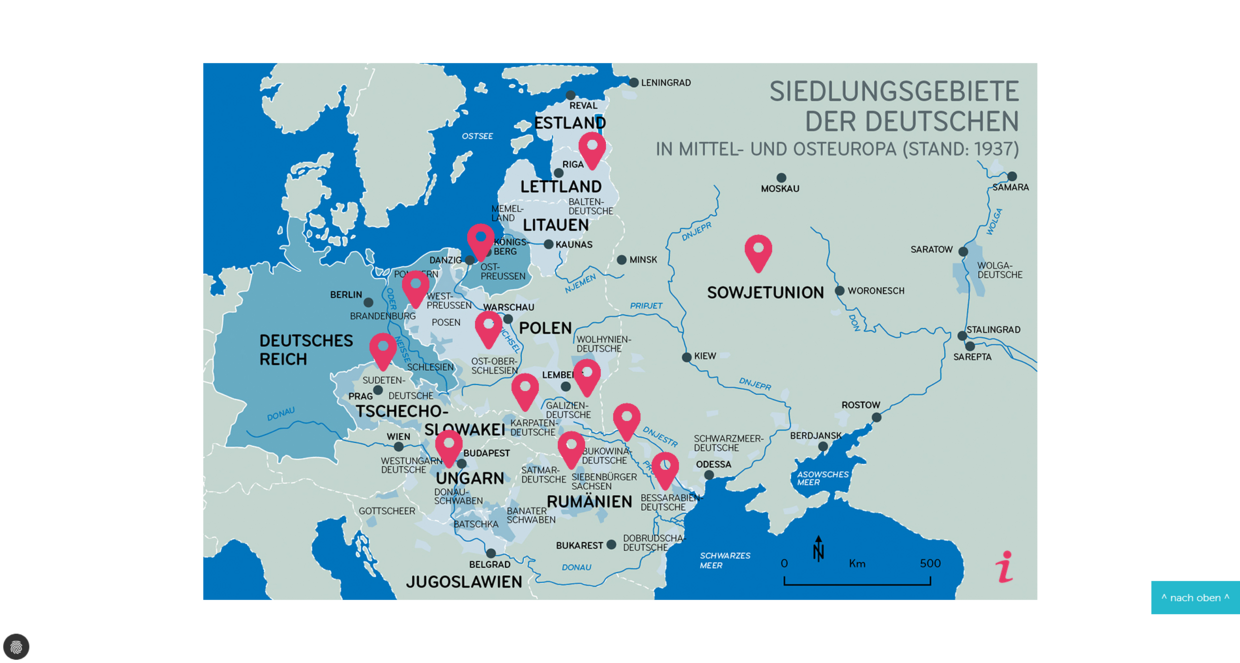
The website "New beginnings - displaced persons in Bavaria" tells the moving story of almost two million refugees and displaced persons who came to Bavaria after the Second World War in a scrollytelling format - a region that only had around seven million inhabitants at the time.
Find out how flight and expulsion came about, what challenges the new arrivals had to overcome in their new home and how their arrival had a lasting impact on Bavaria.
Revolution in Bavaria 1918/19
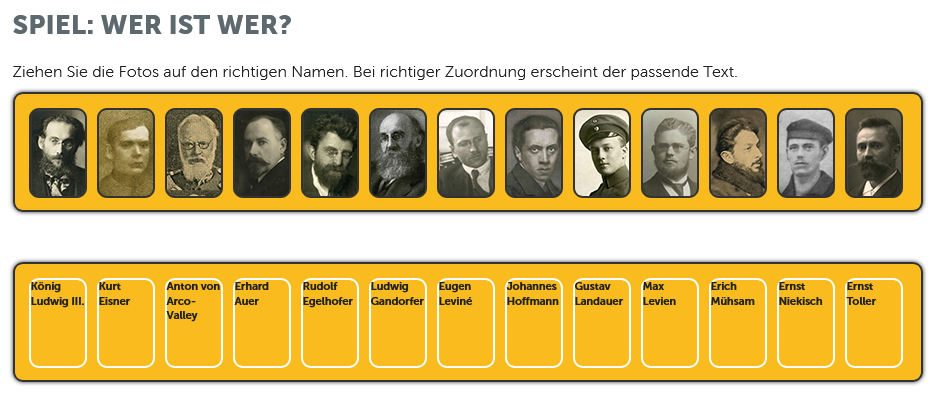
2018 marked the 100th anniversary of the outbreak of the revolution in Bavaria. Few topics in modern Bavarian history are still as controversial today as the turbulent period from November 1918 to May 1919. Follow the outbreak of the revolution in Munich and other events in the Bavariathek! Meet the influential political ideas and actors and take a look at what happened in other places throughout Bavaria!
Test your understanding and deepen your knowledge in an entertaining way! Put your acquired knowledge directly into practice in playful elements - true to the motto: Better learned when applied by yourself.
- Chronicle of current events:
- November 7, 1917: Start of the October Revolution in Russia.
- January 31 - February 4, 1918: Temporary strike by workers in the Munich arms industry to force an end to the war.
- March 3, 1918: The Peace Treaty of Brest-Litovsk is signed between the Soviet government and the German Reich.
- June 15 - 17, 1918: The last offensive of the German armies in France fails.
- September 21, 1918: The Supreme Army Command declares itself in favor of peace negotiations with the USA.
- October 5, 1918: The government of the German Reich asks US President Woodrow Wilson to mediate in armistice negotiations.
- October 12/13, 1918: At the party conference of the Bavarian majority Social Democrats, state parliament member Ernst Schneppenhorst calls for the abolition of the monarchy.
- October 15, 1918: USPD Reichstag candidate Kurt Eisner, who was arrested during the January 1918 strike, is released from custody early on the occasion of the Reichstag elections.
- October 28, 1918: The Emperor of the German Reich, Wilhelm II, transfers significant powers to the Reichstag through the "Laws for the Amendment of the Reich Constitution".
- October 28, 1918: The crews of the German High Seas Fleet in Kiel mutiny.
- November 3, 1918: The USPD invites people to a peace demonstration on the Theresienwiese.
- November 3, 1918: An armistice comes into force between Austria-Hungary and Italy.
- November 6, 1918: The Chamber of Deputies approves a bill to transform Bavaria into a parliamentary monarchy.
- November 6, 1918: Revolutionary uprisings take place in numerous northern German port cities.
- 7 November 1918: Following a peace demonstration organized by the MSPD on the Theresienwiese, USPD politician Kurt Eisner and some of his supporters start the revolution in Bavaria: barracks, public institutions and government buildings are occupied without any significant resistance, King Ludwig III leaves the state capital unchallenged. The first workers' and soldiers' council is elected in the Mathäserbräu brewery on Stachus.
100 years of structural change in Weidenberg
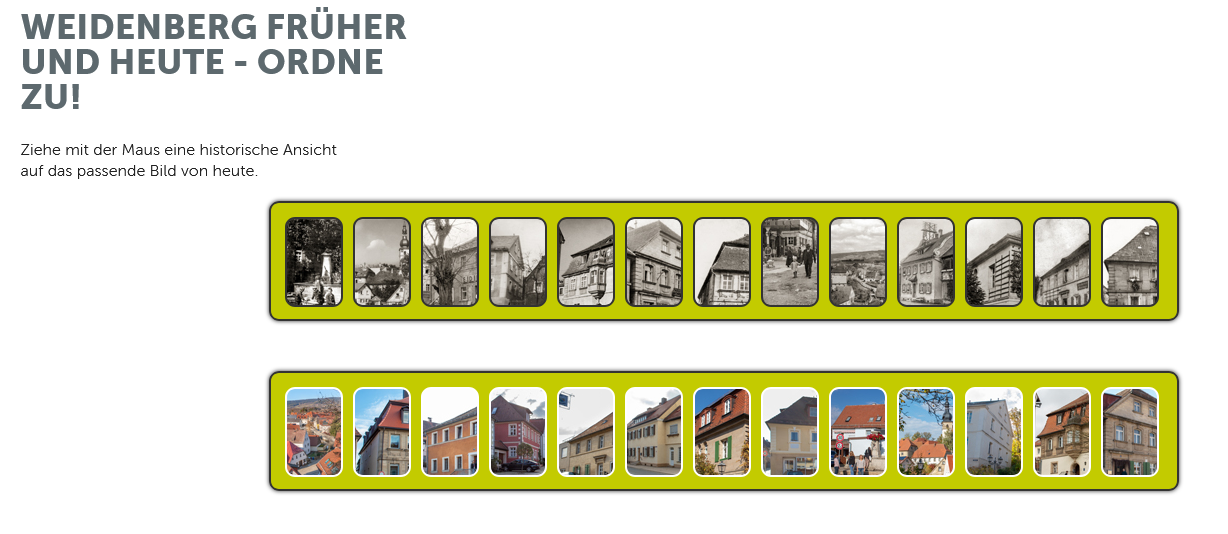
The website "100 years of structural change in Weidenberg, the Fichtelgebirge and the Franconian Palatinate" takes you on an exciting journey through time in rural north-eastern Upper Franconia. Supported by the market town of Weidenberg and numerous contemporary witnesses, pupils explored the profound changes and remarkable continuities that have shaped the region over the last hundred years. At the same time, they asked themselves about the new challenges facing the region today.
At the end of this historical journey, an interactive quiz awaits you, in which you can pair old photographs with current images - a fascinating comparison of yesterday and today.
Station stories from Middle Franconia
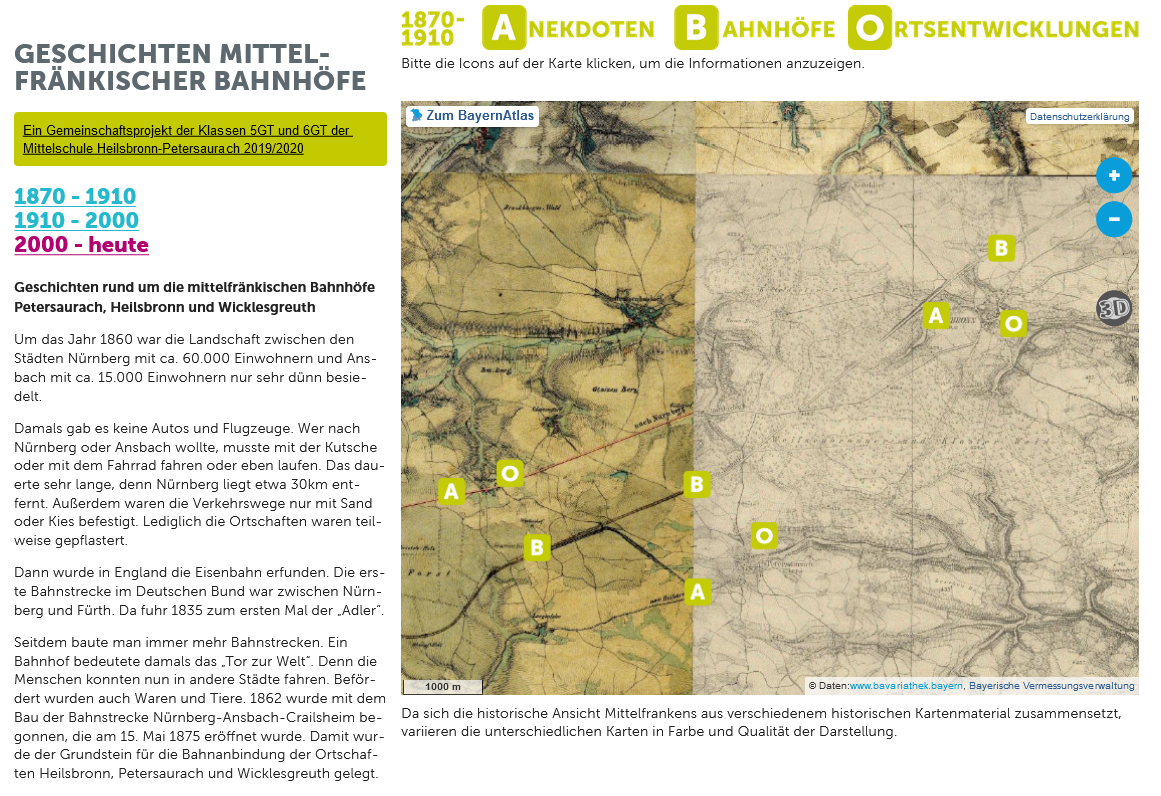
The website "Stories of Middle Franconian railroad stations" is the result of an exciting joint project by classes 5GT and 6GT at Heilsbronn-Petersaurach secondary school in the 2019/2020 school year. The pupils set out to explore the history of Petersaurach, Heilsbronn and Wicklesgreuth railroad stations, which played a crucial role in the sparsely populated landscape between Nuremberg and Ansbach in 1860. Back then, there were no cars or planes, and the journey between the two towns, which are around 30 kilometers apart, was arduous and time-consuming.
Accompanied by an interactive atlas compiled from historical maps, the website invites visitors to immerse themselves in the fascinating stories of these stations and discover the significance of the railroad for the region.
Kelheim around 1900
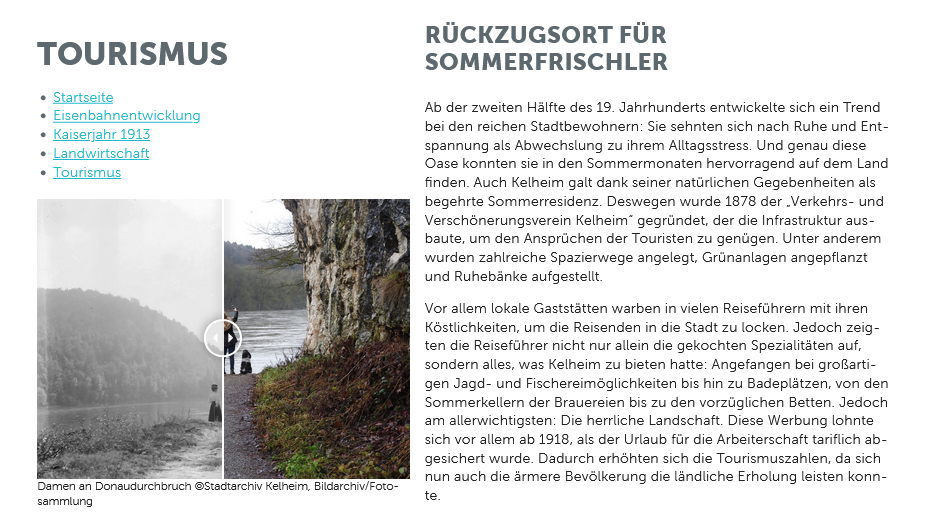
The "Kelheim around 1900" website is the result of an exciting project by 15 pupils from Donau-Gymnasium Kelheim, who accepted the "Off to the museum!" assignment at the start of the 2016/17 school year. With great dedication, they researched the history of Kelheim around 1900 and prepared their findings. They focused on agriculture, mobility, tourism and electricity supply and also shed light on the visit of Kaiser Wilhelm II in 1913.
With the support of the Haus der Bayerischen Geschichte and the technical resources of the Bavariathek, the project group staged impressive before/after situations and presented the historical topic in a multimedia format.