An exhibition with a low ecological footprint
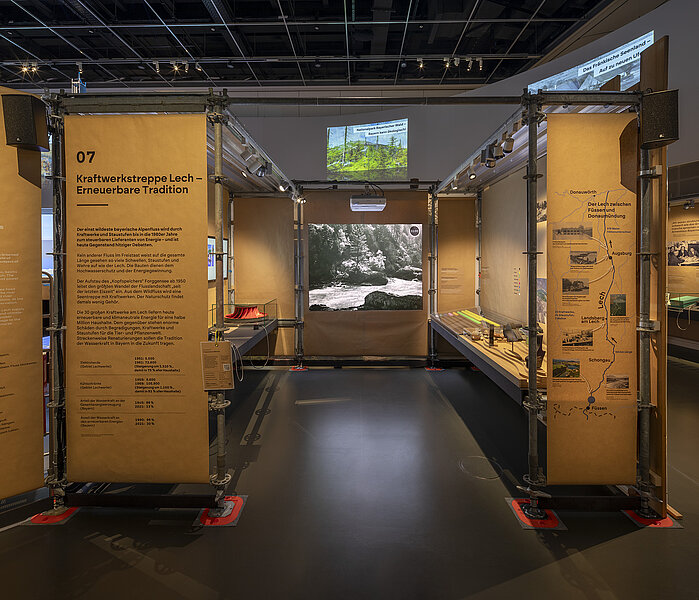
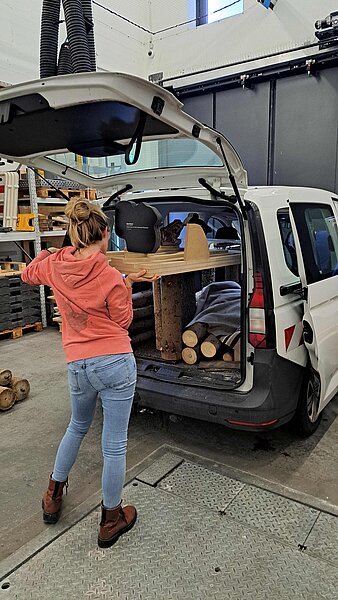
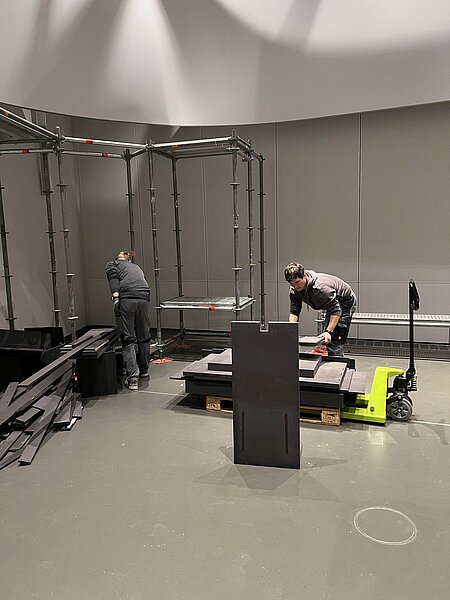
The exhibition is planned as a sustainable and climate-friendly pioneering and research project based on aspects of the exhibition's content, such as the use of resources, nature and energy, and the current global challenges in the field of environmental protection and nature conservation. While such considerations have already taken place in the field of art museums with a focus on transportation and air conditioning, the project is breaking new ground in terms of scope and ambition for the much more material-intensive cultural-historical exhibitions. Based on the energy-saving measures in its ecological museum on Regensburg's Donaumarkt, the Haus der Bayerischen Geschichte is thus expanding its range of activities and looking at aspects such as "consumption and production" and "climate protection" from the general Sustainable Development Goals of the United Nations. The architecture and construction of the exhibition are designed to use as few materials as possible. Almost exclusively recyclable materials or reusable elements are used. Overall, the ecological footprint of the exhibition should be as small as possible. After the exhibition has been dismantled, fixtures that cannot be reused for our own purposes are sent to other institutions for further use. Successful and transferable elements and approaches are incorporated into the sustainability considerations for follow-up projects.
Further information on the ecological museum can be found here