

About the exhibition
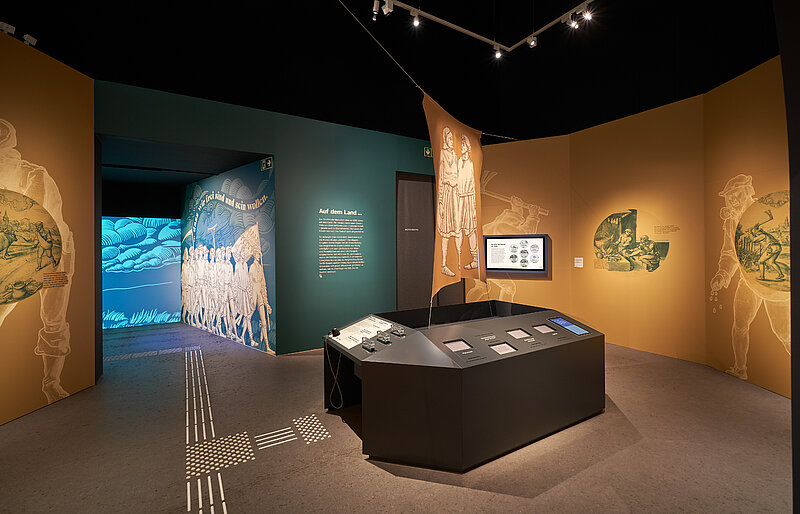
In the country...
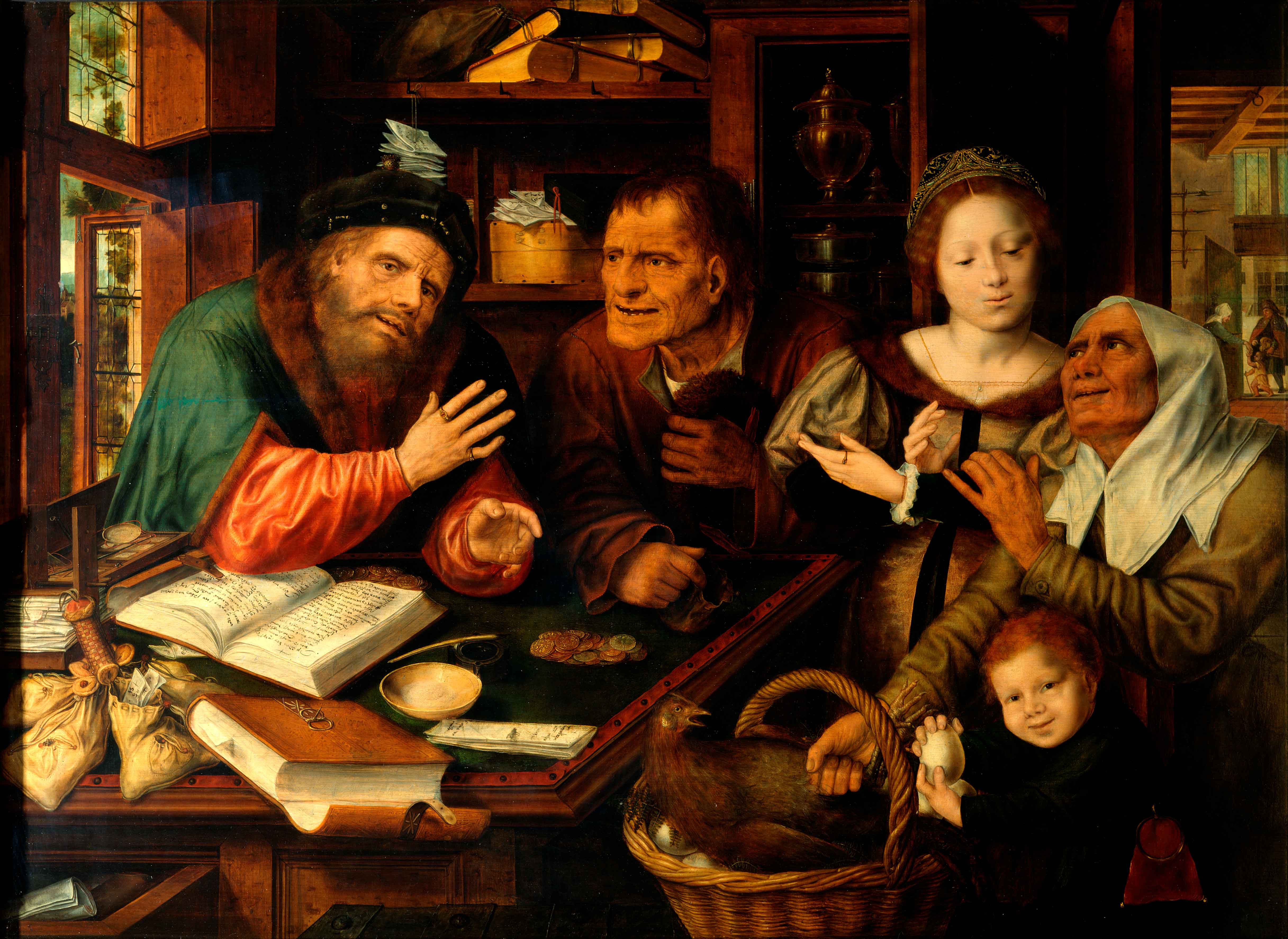
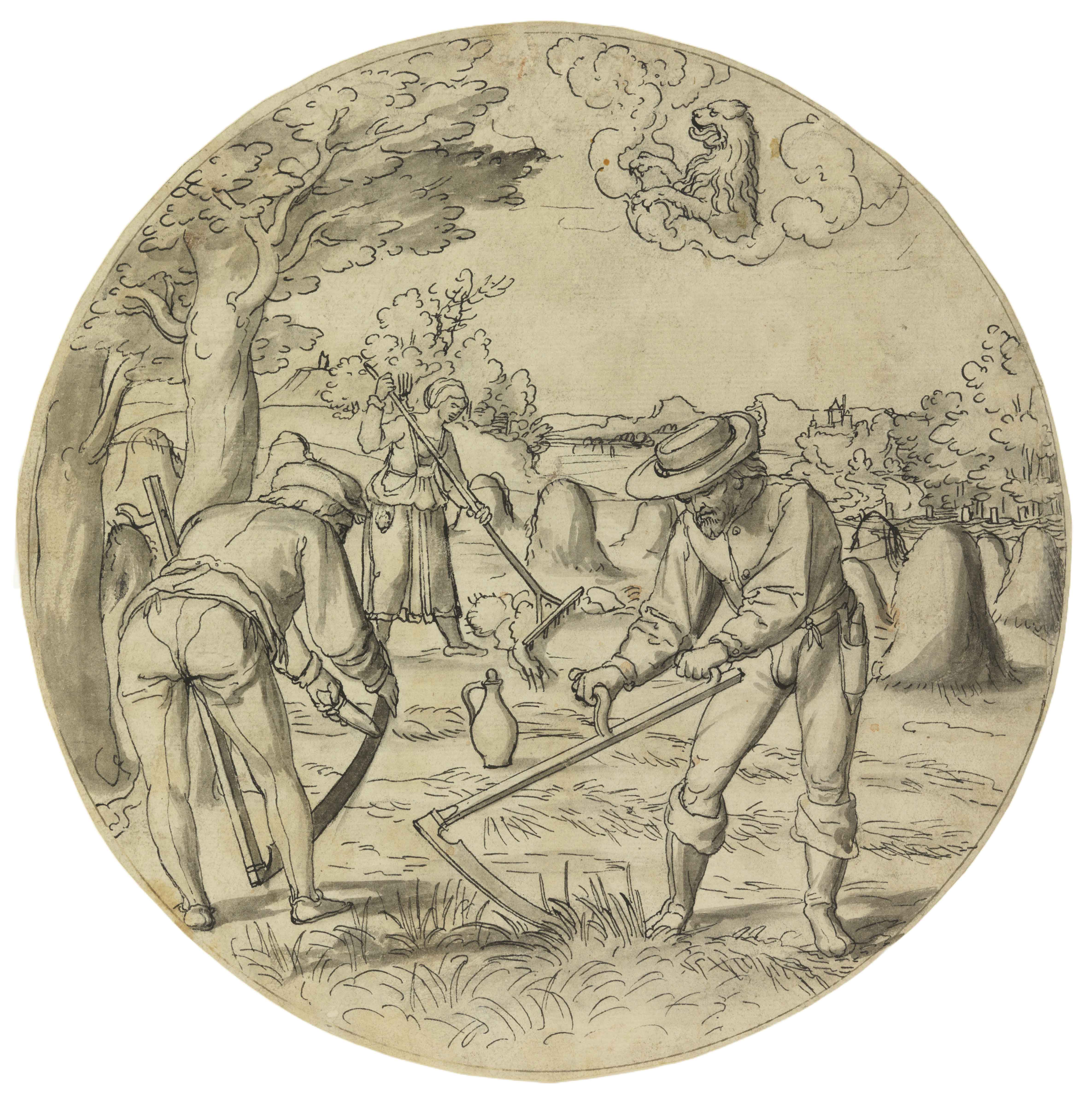
The majority of people lived in the countryside 500 years ago. Most of them were farmers. Many of them were in serfdom - especially in Upper Swabia. Life was hard for the farmers and their freedom was severely restricted.
For example, in addition to the landlord, the church also demanded a tithe, strict rules applied to marriages and the use of forest and pasture land was increasingly restricted. From the middle of the 15th century, the population also grew significantly. In poor harvest years, this could lead to famine. As there were hardly any opportunities for farmers to defend themselves against the grievances, it was only a matter of time before things began to boil over ...
... and in the city. It's rumbling!
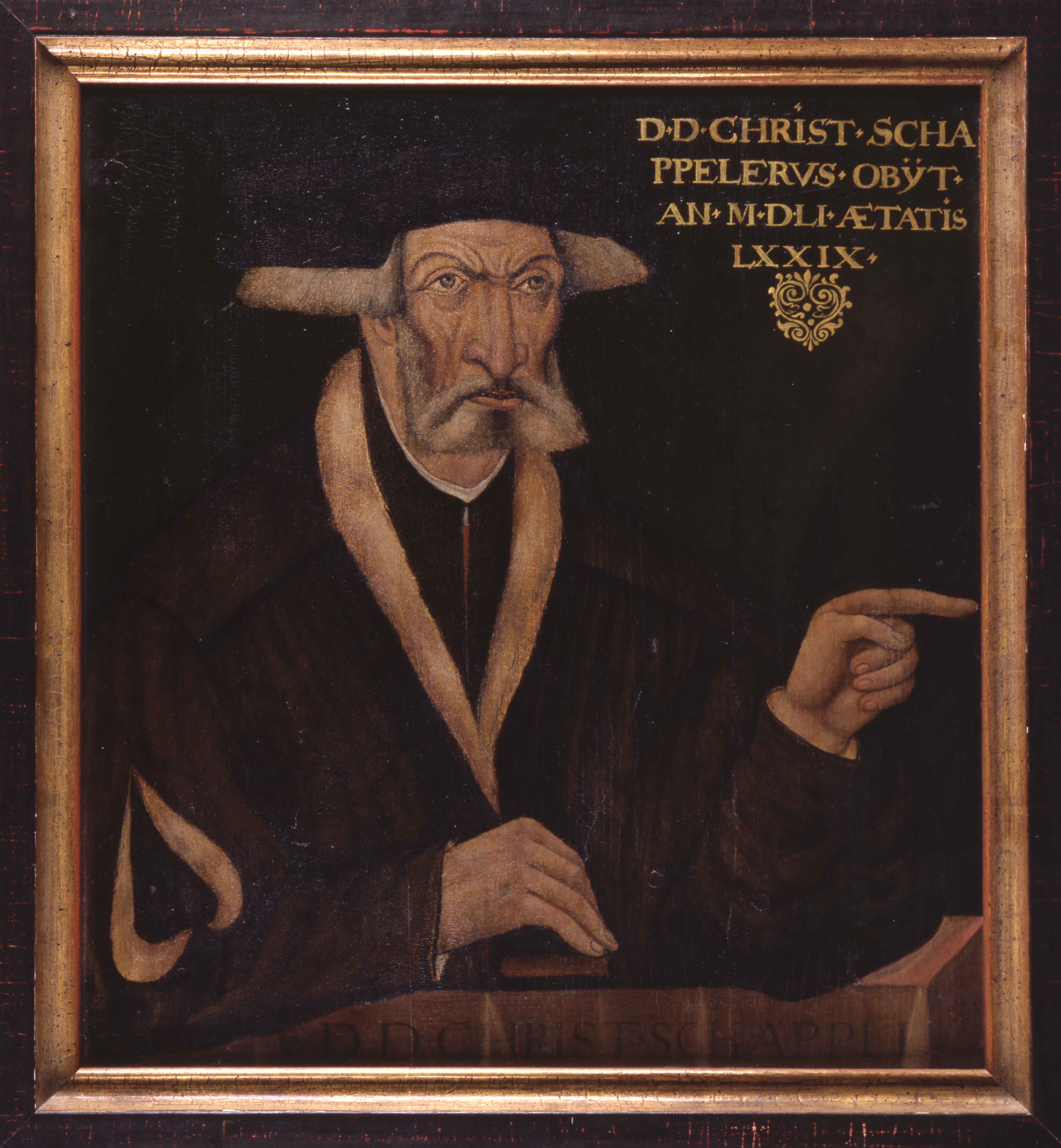
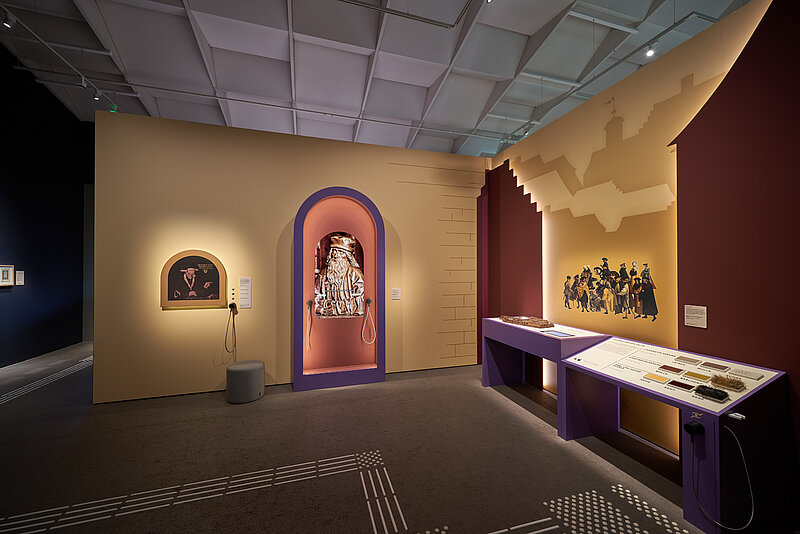
Memmingen in 1525: a flourishing trading center with around 5,000 inhabitants, as an imperial city subject only to the emperor, the fate of the city was largely determined by the guilds. The Reformation arrived in Memmingen at an early stage. The sermons of the reformer Christoph Schappeler against what he saw as the unjust policies of the council were very popular.
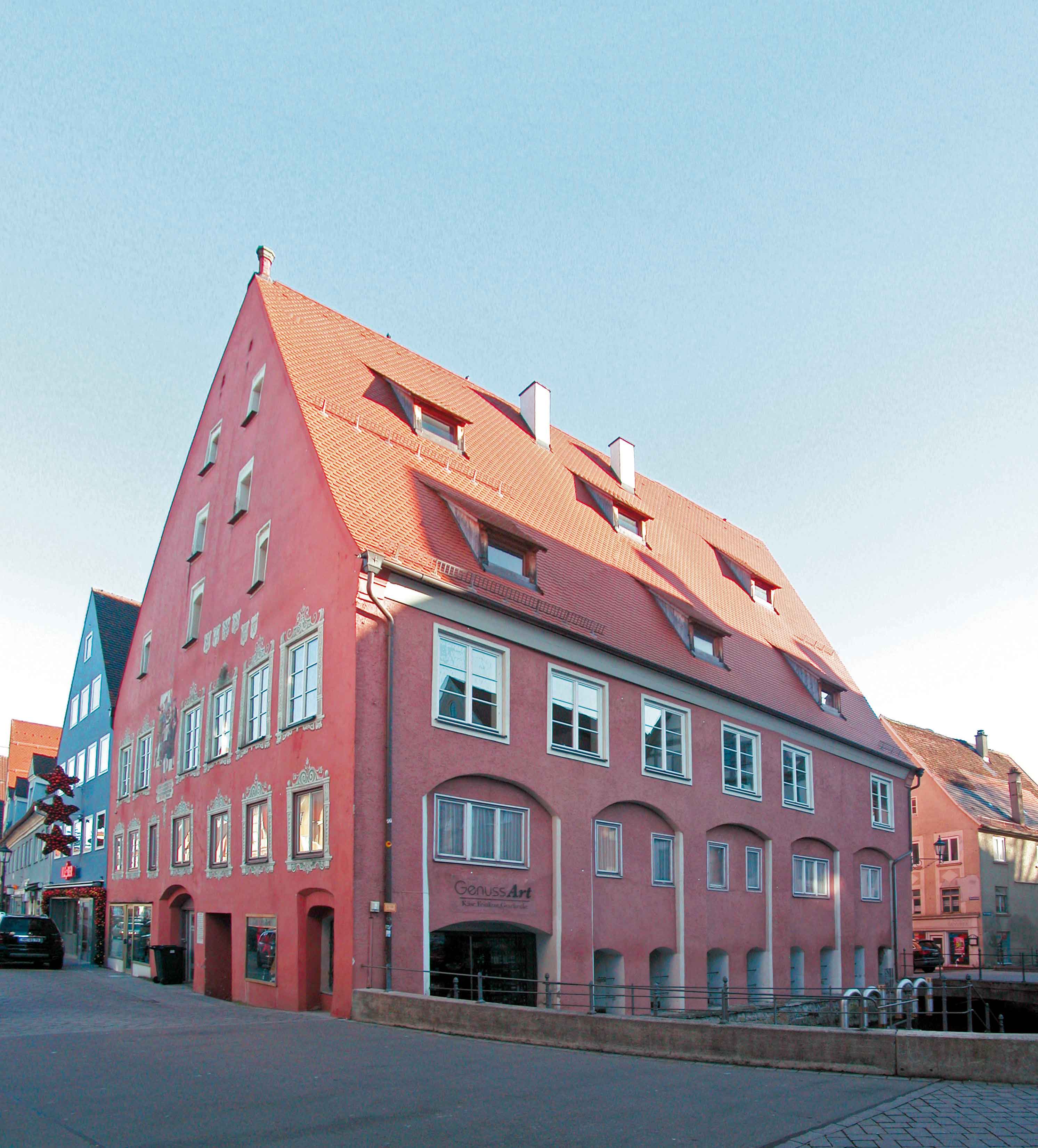
But there was also trouble in the countryside. Many dissatisfied peasants had organized themselves into "piles" and - also influenced by the Reformation - made their first demands of the authorities.
For its part, the authorities did not remain inactive: The Swabian League, founded in 1488 as a union of lordships, towns and territories, was already joining forces in the background.
In the Kramerzunftstube
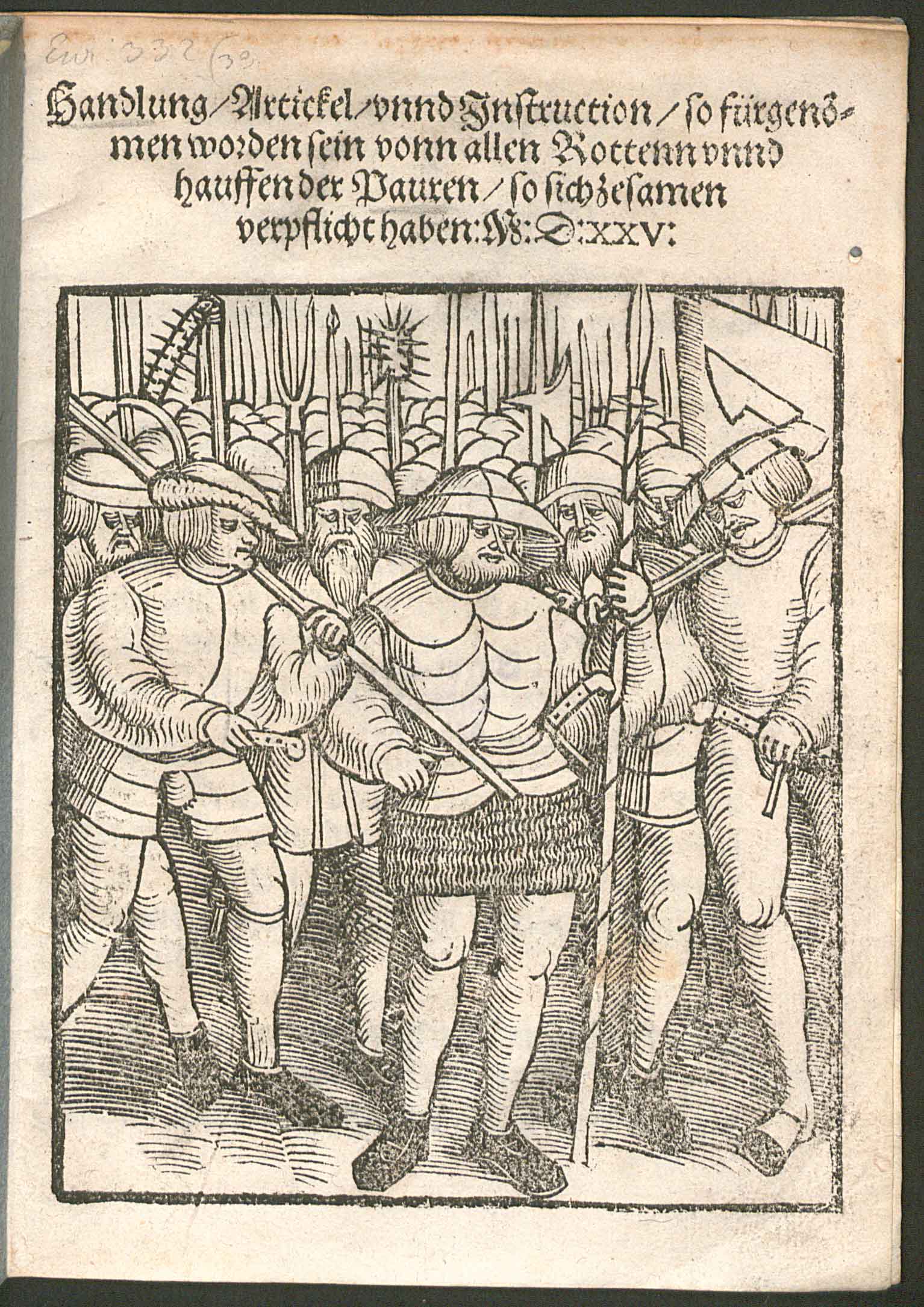
Both the compromising attitude of the town council and the pro-reformation reputation had contributed to Memmingen becoming the focus of the rebellious peasants in the spring of 1525.
In March, delegates from the Baltringer Haufens, the Bodensee Haufens and the Allgäu Haufens gathered in the Kramerzunftstube at the Weinmarkt and negotiated their next steps. At the end of the negotiations, the farmers joined together to form a "Christian Association" and adopted a kind of basic program with the "Federal Order". A certain furrier and lay theologian from Memmingen - Sebastian Lotzer (around 1490 - after 1525) - became increasingly prominent in those days.
The Twelve Articles
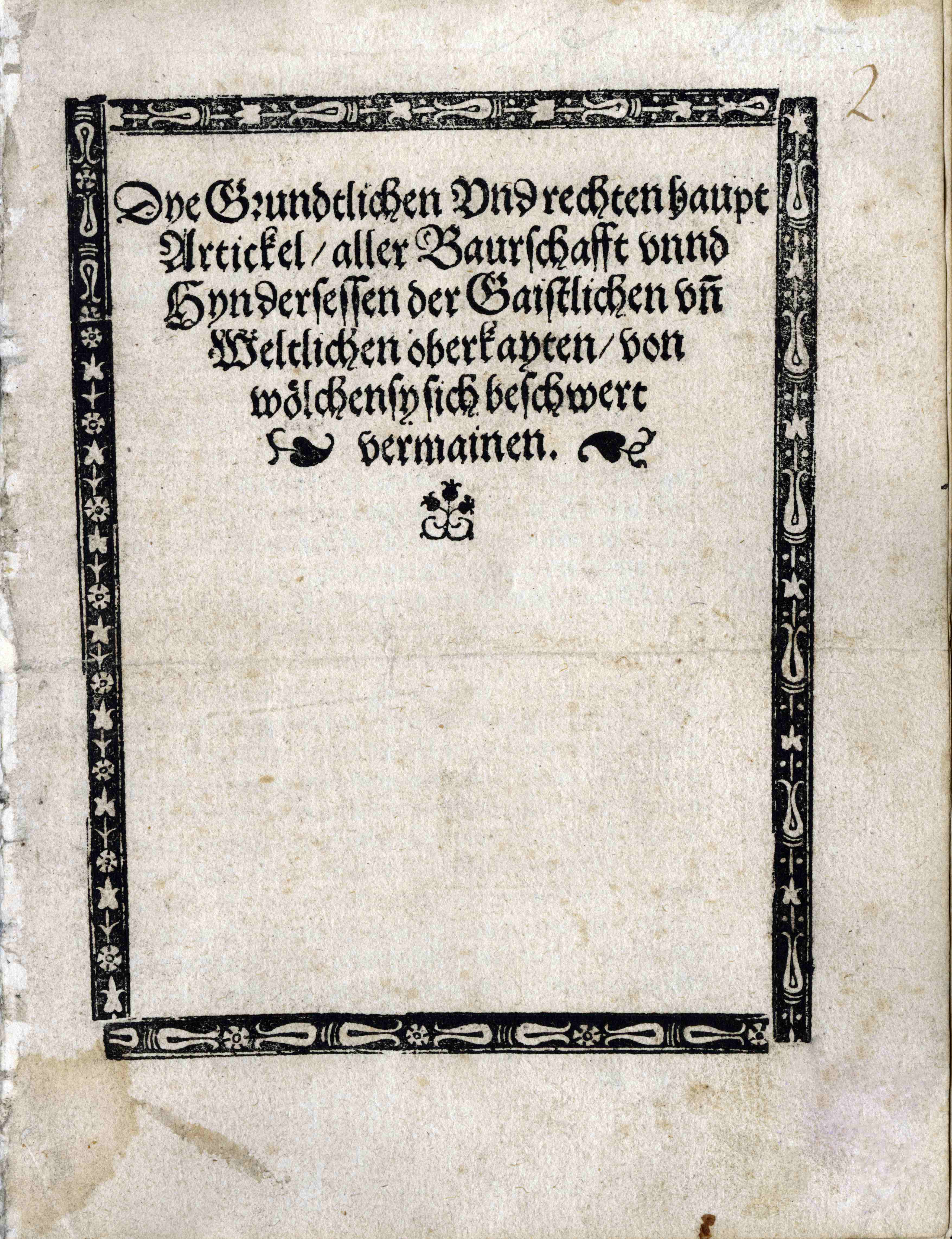
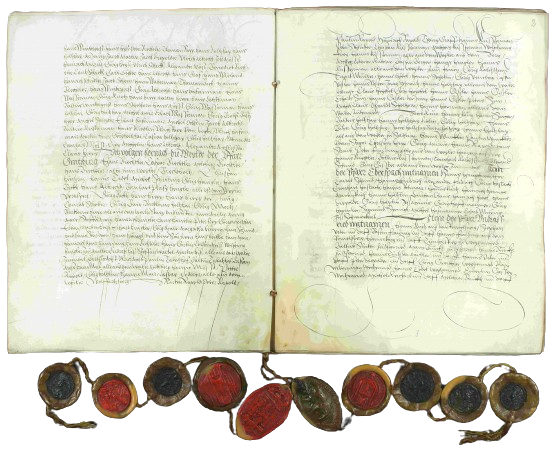
The Twelve Articles with their demand for freedom are the most important writing of the Peasants' War. This "bestseller" was probably written by Sebastian Lotzer. All of the peasants' demands could be derived from the Bible and concerned broad areas of everyday life, but the demand for freedom in the third article was particularly powerful - its implementation would have meant nothing less than the end of serfdom!
After the meeting in the Kramerzunftstube, the printing presses became the peasants' most important allies: the Twelve Articles spread at breakneck speed, with over 25,000 copies in circulation in no time at all. The Twelve Articles were a sensation and the authorities were more alarmed than ever!
No turning back! War!
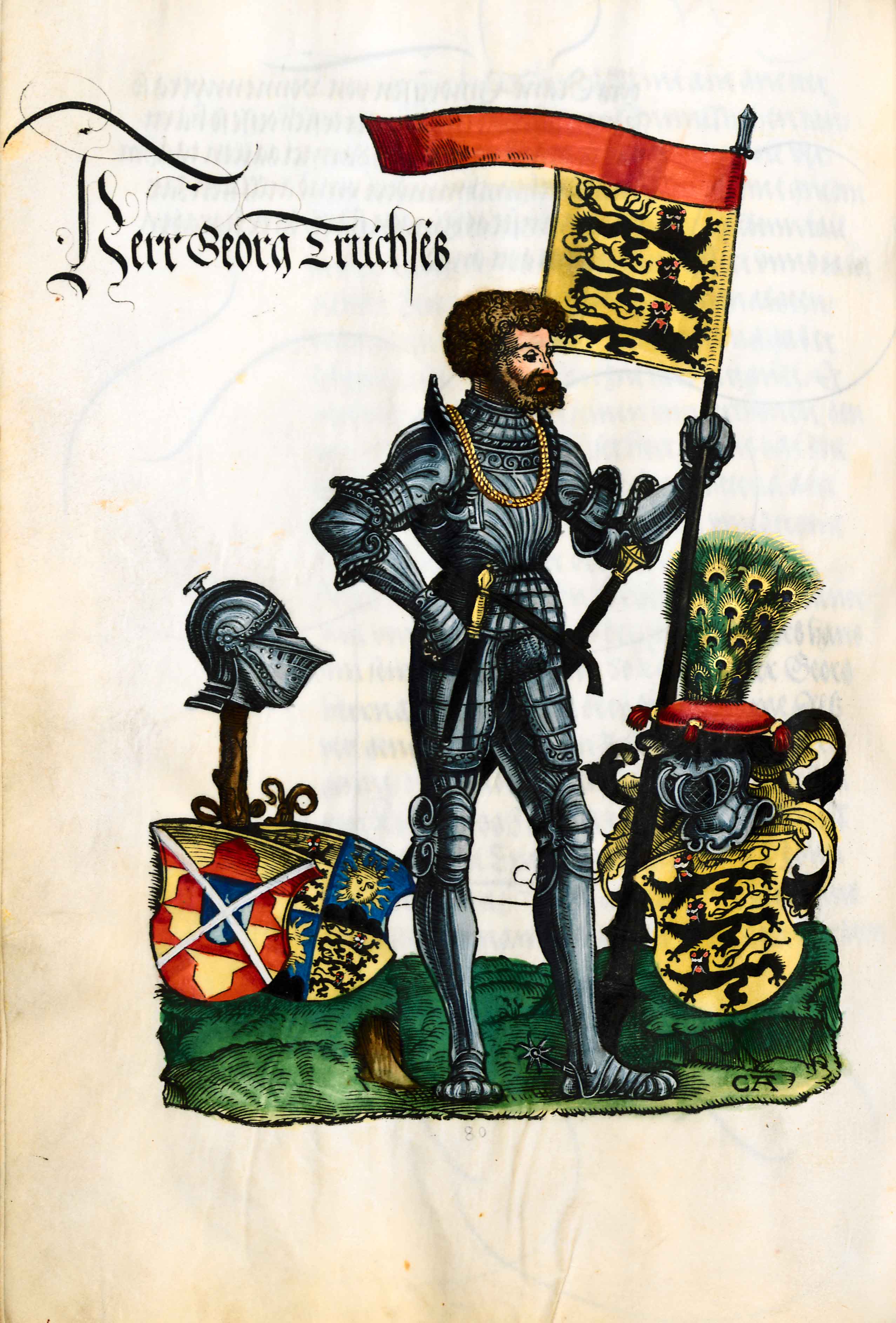
In Upper Swabia, the peasant armies of the Swabian League had been facing each other on the battlefields since April 1525.
The first major battle took place in Leipheim near Ulm - with a devastating defeat for the peasants. In the following months, the well-armed troops of the Swabian League, led by Georg Truchsess von Waldburg of Württemberg, succeeded in defeating one peasant army after another all the way to Franconia. The battles often resembled a massacre. The last and decisive confrontation took place at Leubas near Kempten in July 1525.
Today, it is estimated that the Peasants' War claimed over 70,000 lives.
All for nothing?


The war was over, tens of thousands of farmers dead. What remained of the peasants' demands in the end?
Not least out of fear of a new escalation, the authorities were soon prepared to make concessions to the peasants: in some territories, new contractual arrangements were made for living together - with improvements for the peasants. So it had not all been in vain!
The events of 1525 remained in people's memories, especially in the main areas of the uprisings. Many places of remembrance have been created since then, also in and around Memmingen.
Freedom!
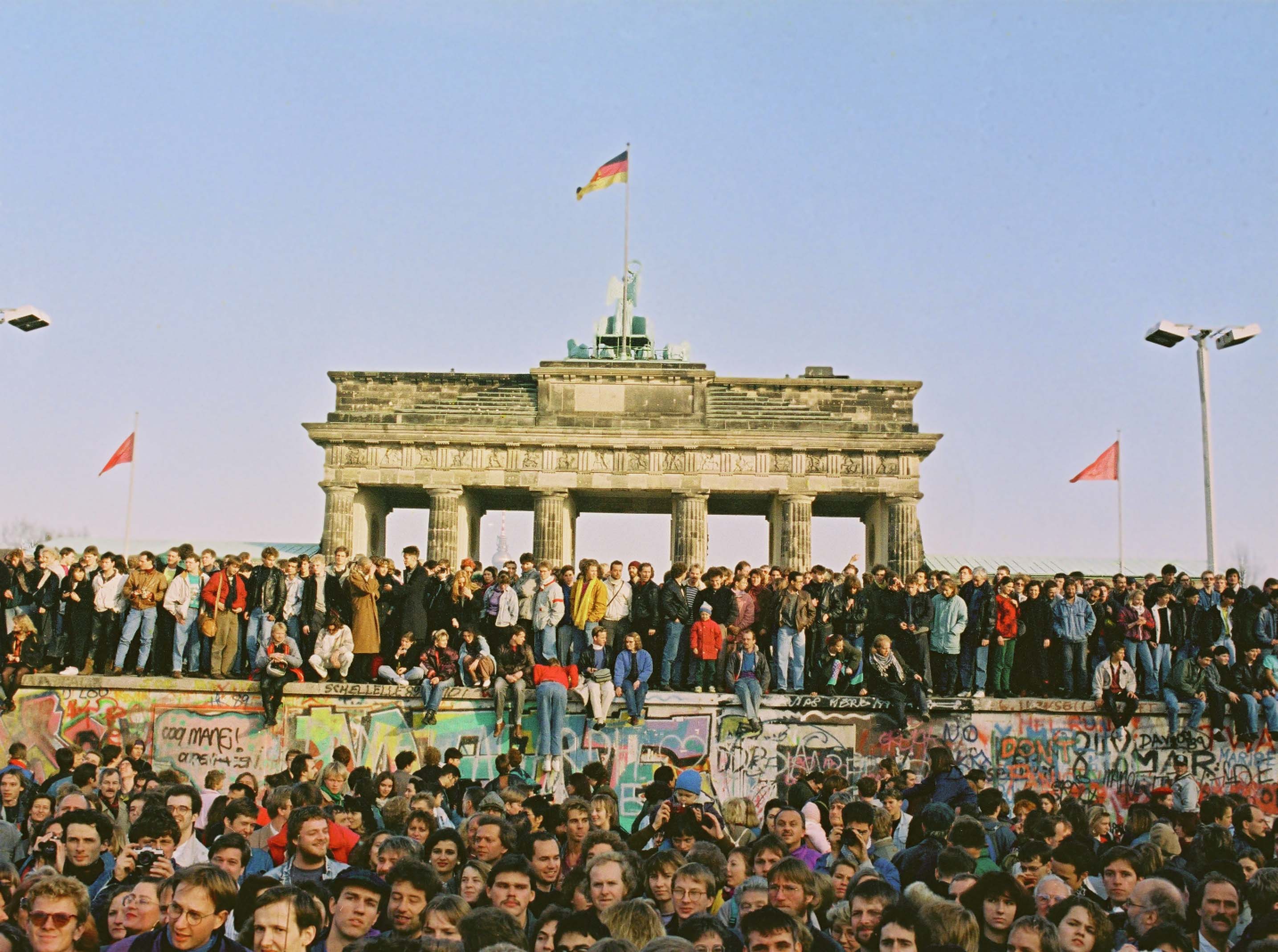
The demand for freedom was a central concern of the peasants in 1525.
Even today, freedom is fought for every day and in many places. The question of what freedom actually is is highly subjective and depends on many external circumstances. Can the demands of 500 years ago be transferred to the present day?
However, the various examples in which freedom was and is fought for show one thing very clearly: it was and is a good that must always be defended!
Kramerzunftstube

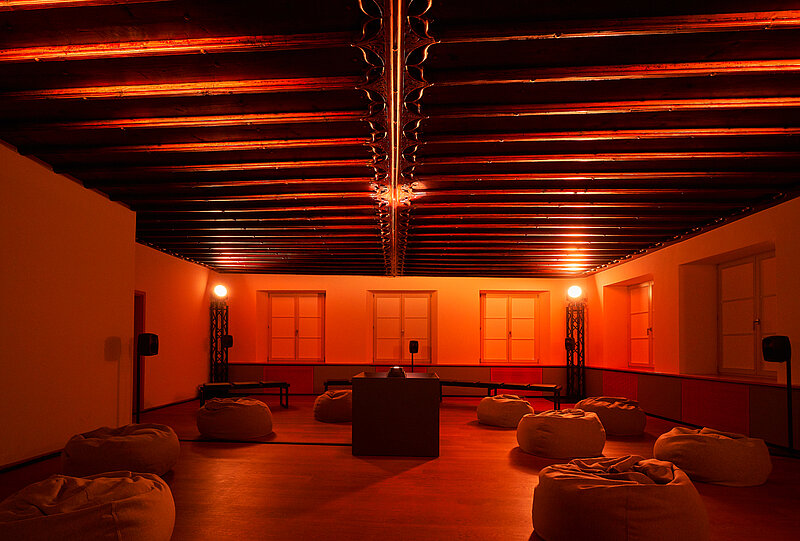
In March 1525, the representatives of the three peasant groups gathered in Memmingen's Kramerzunftstube. This makes it an "authentic site" of the Peasants' War.
The guild hall can be visited as part of the Bavarian exhibition. If you enter the guild hall today, you will notice that hardly anything on the outside is reminiscent of those days. Only the historic wooden ceiling is the last witness to the events of 500 years ago! It will tell visitors what it experienced ...
Sustainability and climate friendliness in the Bavarian Exhibition 2025
In order to keep the ecological footprint as small as possible, the Bayernausstellung 2025 is committed to the goals of sustainability.
This will be implemented through the following measures, among others
- Reuse of existing building elements from previous exhibitions
- Exclusive use of existing showcases
- Mandatory consideration of modular construction methods for newly produced elements of the exhibition construction to ensure sensible reuse
- Use of recyclable building materials
- Consideration of suitable environmental requirements in tenders
- Predominant use of exhibition technology from the HdBG inventory
The measures and efforts will be reviewed and evaluated after the end of the Bavarian exhibition in order to implement further optimizations.