
The exhibition was closed on May 29, 2022.
Immerse yourself in the 1920s!
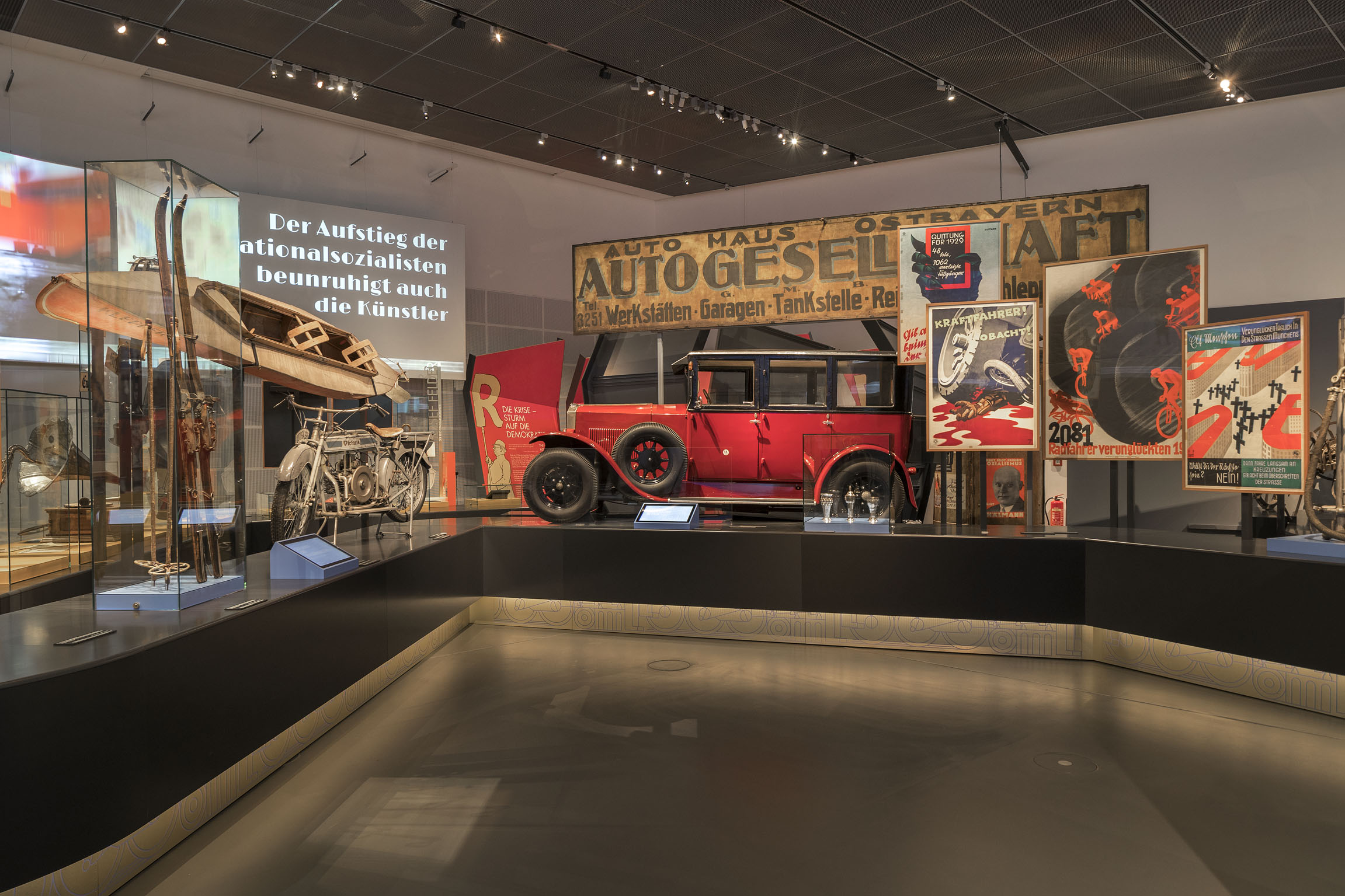
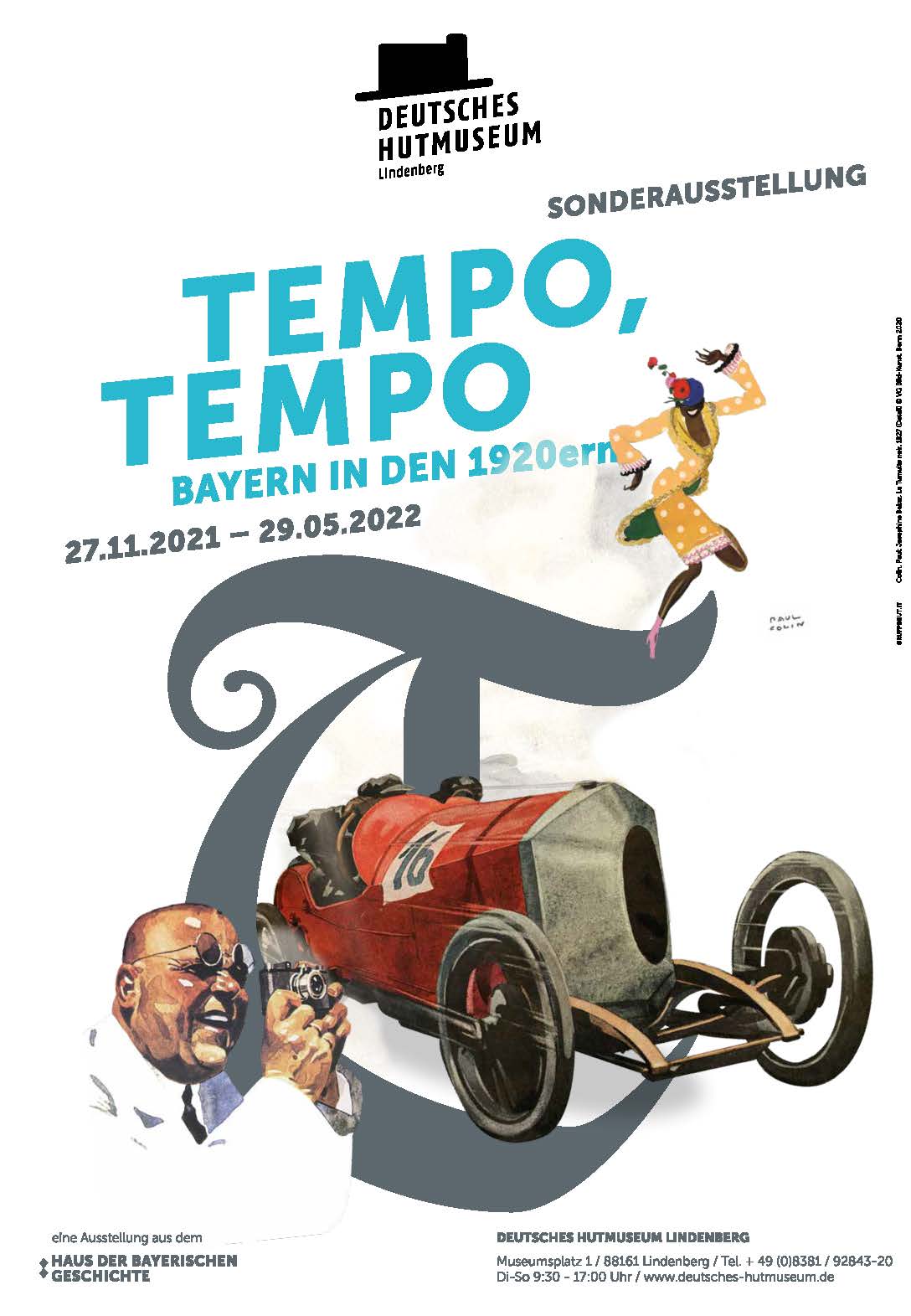
The man with the Leica is delighted with his state-of-the-art camera. Josephine Baker dances in Berlin and Vienna, but not in Munich. Cars and motorcycles change the street scene. In 1930, 178,000 proud car owners step on the gas pedal in Bavaria, compared to 67,000 in 1926. And then there's the speed thing: the Rosenfelder brothers from Nuremberg apply for a patent for the paper handkerchief in 1929.
Tempo, Tempo - Bavaria in the 1920s: the perfect paraphrase for a fast-paced decade full of upheaval. Controversies between town and country, between workers and the middle classes, between economic awakening and inflationary decline, between permissiveness and philistinism, between left-wing and right-wing slogans, between intellectuals and putschists.
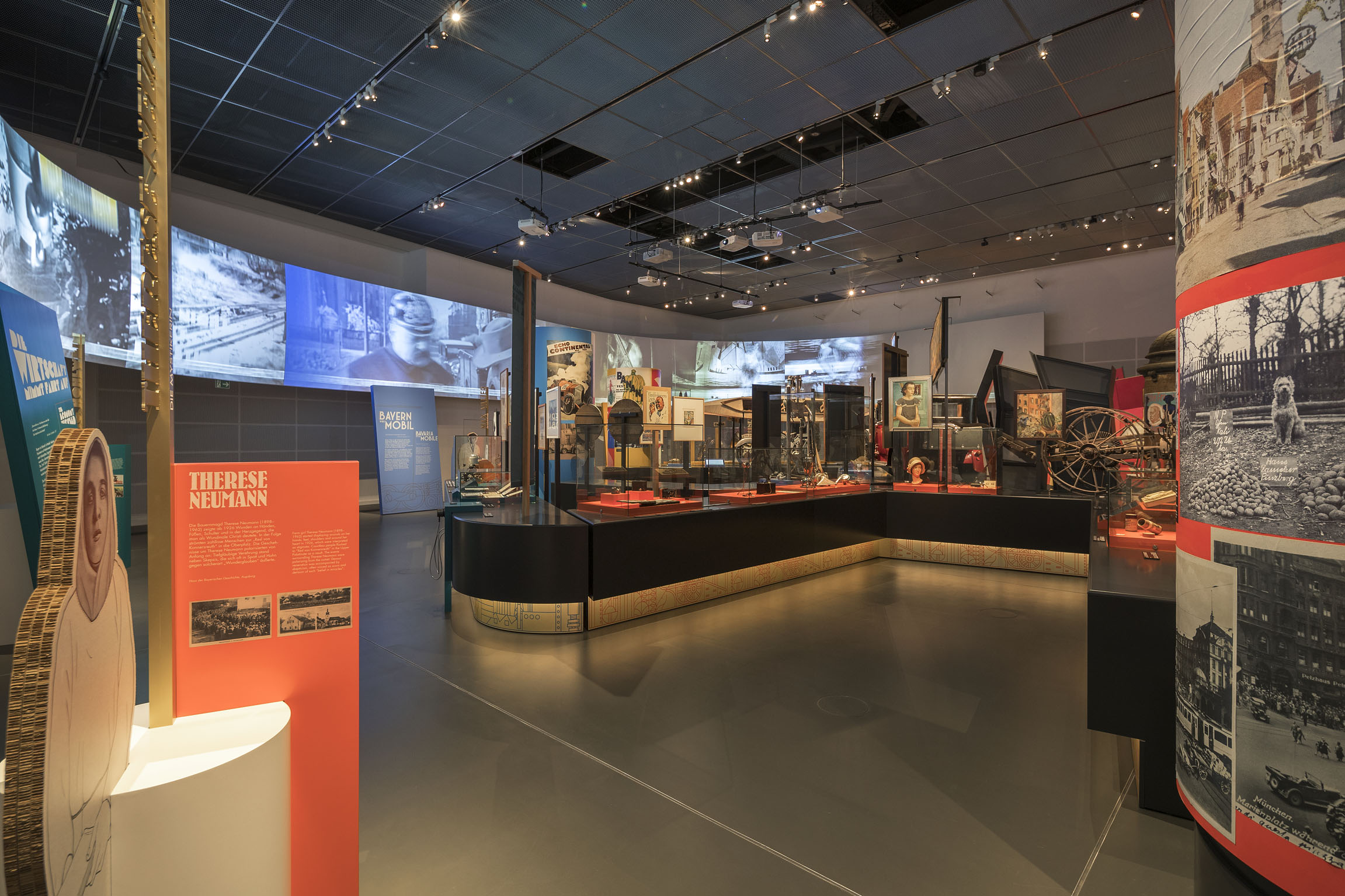
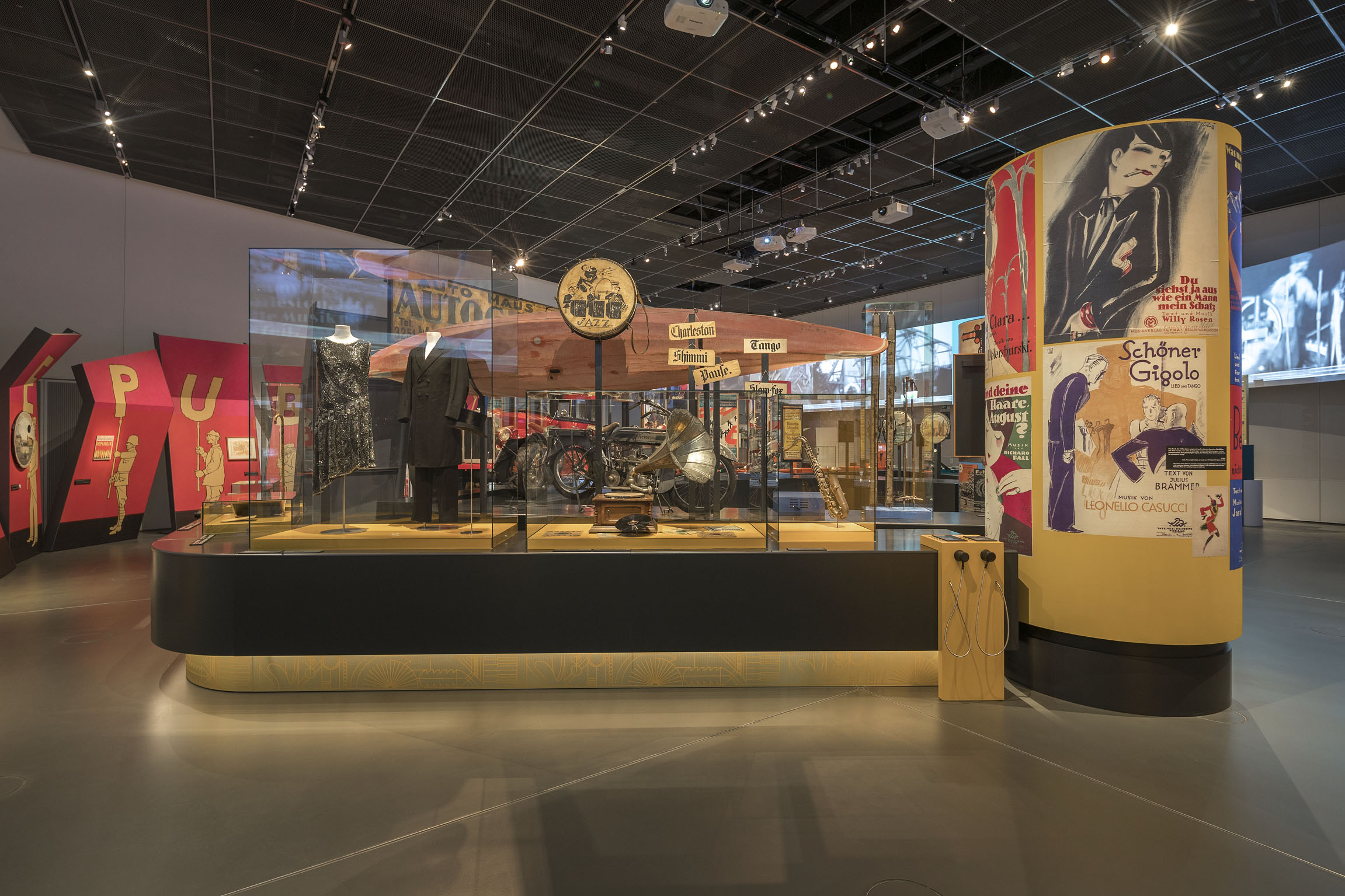
In the offices, the telephone and typewriter revolutionize everyday life and create new jobs, especially for women. Radio broadcasts information about the world right into the living room. The circulation of daily newspapers increases, the telephone box appears, the advertising pillar announces the latest news, trends and events, the flood of information increases. From the Charleston to swing: new dance and music styles come into fashion, people party to excess. Speed, speed, speed.