Seitenübersicht
The following content has been automatically translated using DeepL to improve our service. Please note that there may be inaccuracies or nuances lost in translation.
  • Bayernausstellung 2018

    Freilichtmuseum Glentleiten

    14.06.2018 - 09.09.2018

    ACHTUNG: verlängert bis 30.09.2018


Bavarian exhibition 2018

Where: Glentleiten Open-Air Museum, 82439 Großweil

When: June 14 to September 30, 2018, daily from 9 am to 6 pm

Admission prices: Adults: €7, family ticket: €14, groups of 20 or more people €5 each

Organizer: Bavarian State Ministry of Economic Affairs and Media, Energy and Technology, House of Bavarian History, Glentleiten Open-Air Museum
www.bierspione-und-garnelenzuechter.bayern

www.glentleiten.de

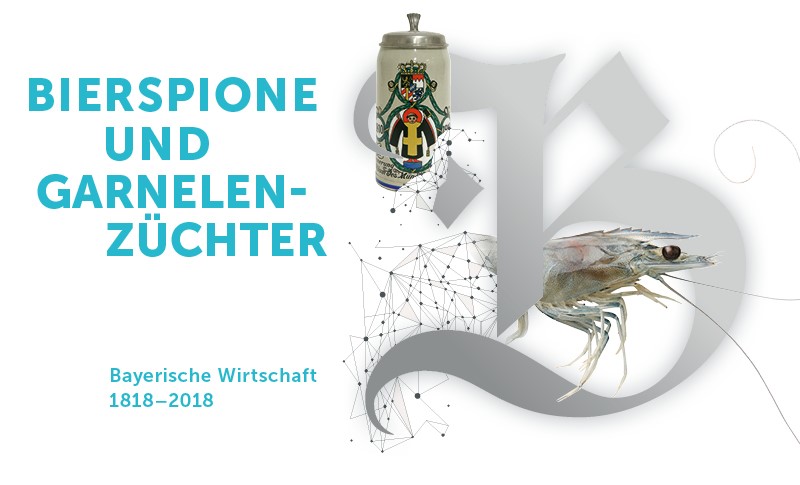
On behalf of the Bavarian State Ministry of Economic Affairs, Energy and Technology, the Haus der Bayerischen Geschichte is organizing the Bavarian exhibition "Beer spies and shrimp breeders - Bavarian economy 1818 - 2018" at the Glentleiten Open-Air Museum from 14 June to 30 September 2018.

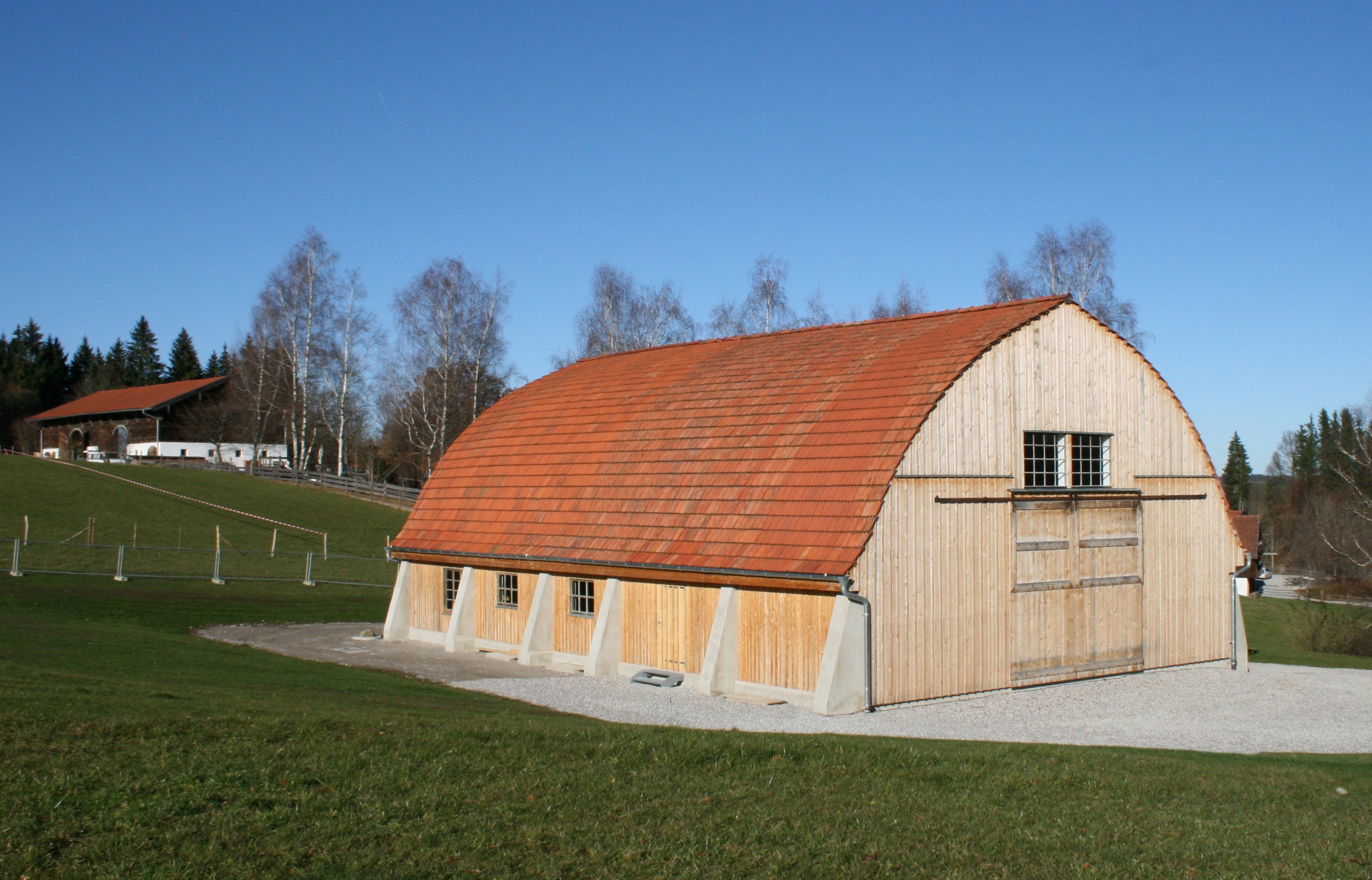
The venue will be the Zollingerhalle on the grounds of the Glentleiten Open-Air Museum in Großweil in the Murnau region. In eight chapters, we tell the story of how the Bavarian economy has developed from the beginning of the Industrial Revolution to the present day:

Pioneers - jobs in the countryside and in the city

Under King Ludwig I, Bavaria promotes trade, commerce and the beginning of industrialization through a targeted infrastructure policy. The construction of canals, the expansion of the road network and the rail network were also intended to slow down migration from the countryside to the cities. The aim of many Bavarian business personalities was to create jobs in the countryside and improve the quality of life.

Locomotive steam and yarn spindles

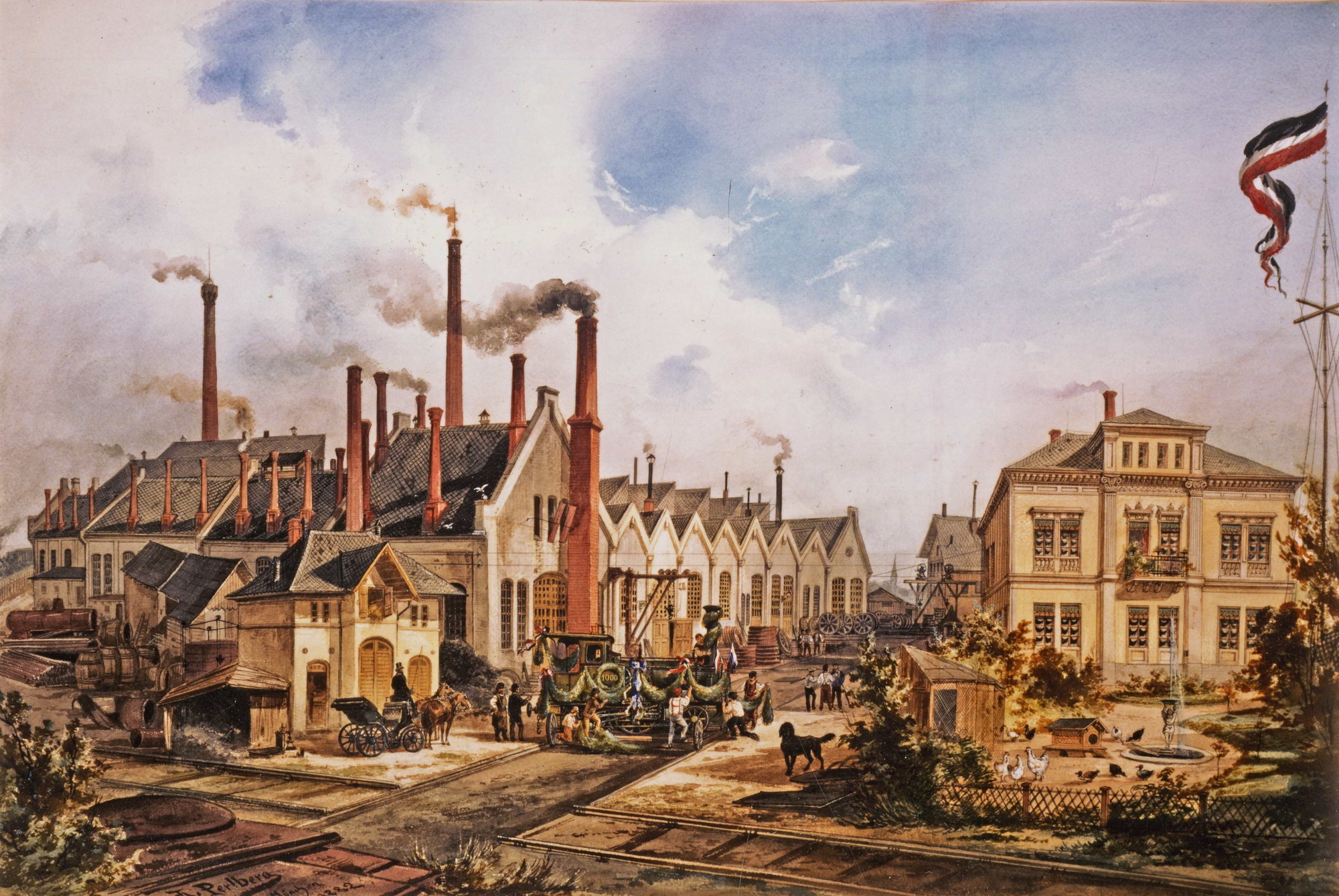
Industrialization began comparatively late in Bavaria around 1840, but picked up speed rapidly in the 1880s. Georg Krauss and Joseph Anton von Maffei produce state-of-the-art locomotives for the European market in their factories. Krauss-Maffei becomes the trademark for Bavarian industry. The machine factories and the textile industry produce top quality products. Textile manufacturing is the most important branch of industry in Bavaria.

With a walking stick and train into the world - export hit beer

In 1833, the Munich brewers not only spy out the latest technologies in Great Britain, but also learn at the World's Fairs what a major role marketing plays in success. The beer industry is innovative and keen to export. The first practical refrigeration machine developed by Carl Linde significantly improves beer quality. Nothing now stands in the way of the worldwide export hit "Bavarian beer".

Light for the king and electricity for the country

At the end of the 19th century, the majority of the Bavarian population no longer lived from agriculture. Industry, trade and services provide new jobs, especially in the cities. King Ludwig II, who was enthusiastic about all technical innovations, had the world's first power station built for his Linderhof Palace in 1878. The electrical industry and the expansion of electricity generation, such as the Walchensee power station, enable a further surge in industrialization.

Heinzelmann and Zauberspiegel - Sound and vision of the economic miracle

The integration of refugees and displaced persons after the Second World War and the recruitment of "guest workers" helped to satisfy the strong demand for labor in the 1950s and 1960s. Products from the entertainment industry, such as the radio kit developed by Grundig or the magic-mirror-like television, are now found in many households. The Franconian companies are leaders in production.

Structural change and globalization

Structural change in the wake of ever-increasing globalization is particularly affecting industries such as mining and steel. After almost 150 years of production, steel production at Maxhütte in the Upper Palatinate is discontinued in 2002. The path from Horch via Auto Union to Audi leads through the repeatedly successful development of new car models. Audi is thus able to assert itself as a global player on the worldwide automobile market.

Shrimp farmer and muesli mixer - Start-up Bavaria 4.0

The development from traditional industry to a "service industry" is continuing. The Bavarian economy is focusing on innovative cutting-edge technology, the promotion of start-ups and comprehensive digitalization. As an attractive business location, Bavaria offers the best conditions today to meet the challenges of the future.

Home in miniature

The media application "Home in miniature" is presented for the first time in the Bavarian exhibition. All 2056 Bavarian municipalities are presented in pictures and figures. The total number of images is currently over 9500 and shows the development of municipalities from the middle of the 19th century to the present day. From May 2019, the elaborate augmented reality station can be seen in the new Museum of Bavarian History in Regensburg, which tells the story of how the Free State of Bavaria came to be, what it is today and what makes it so special.